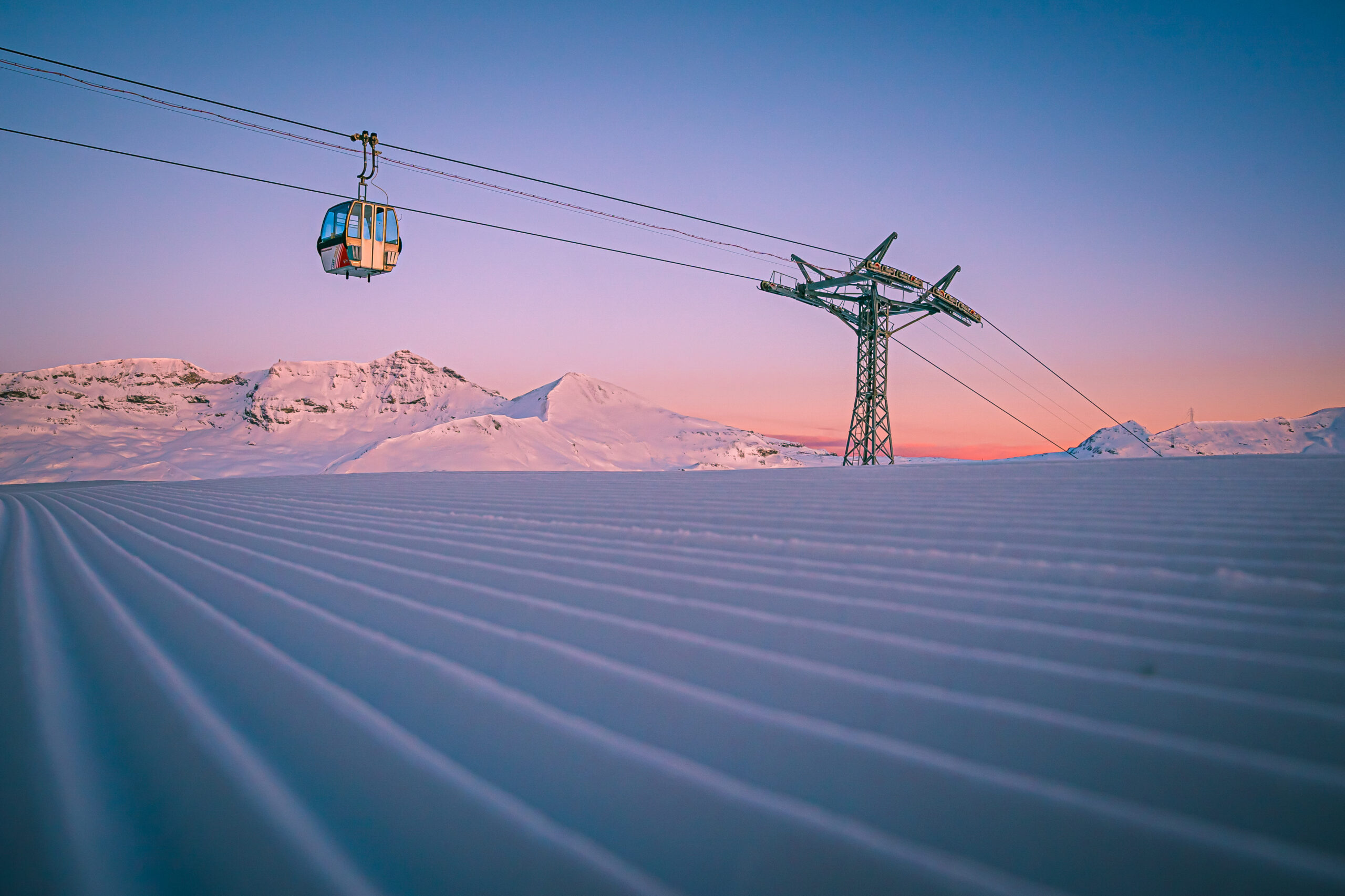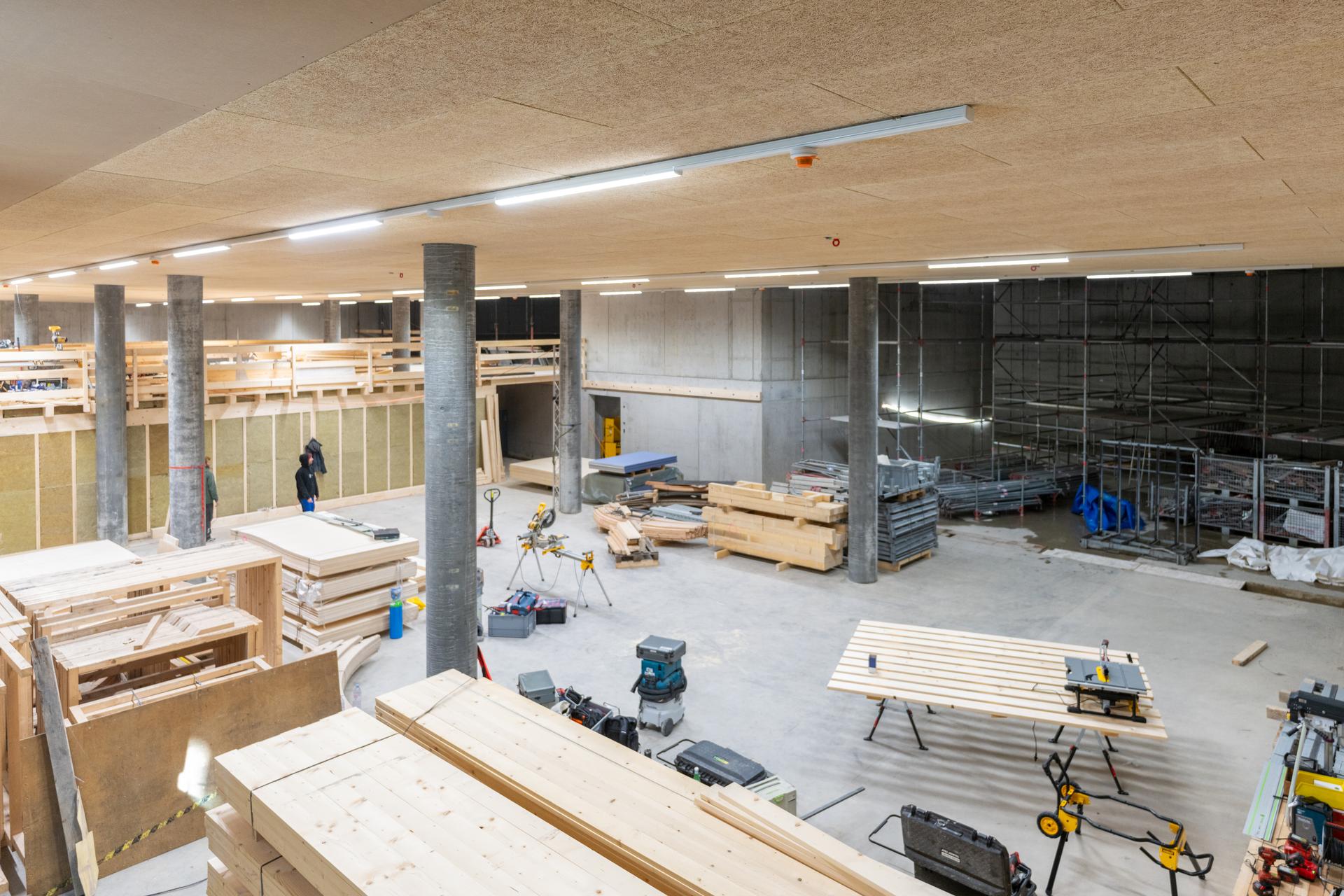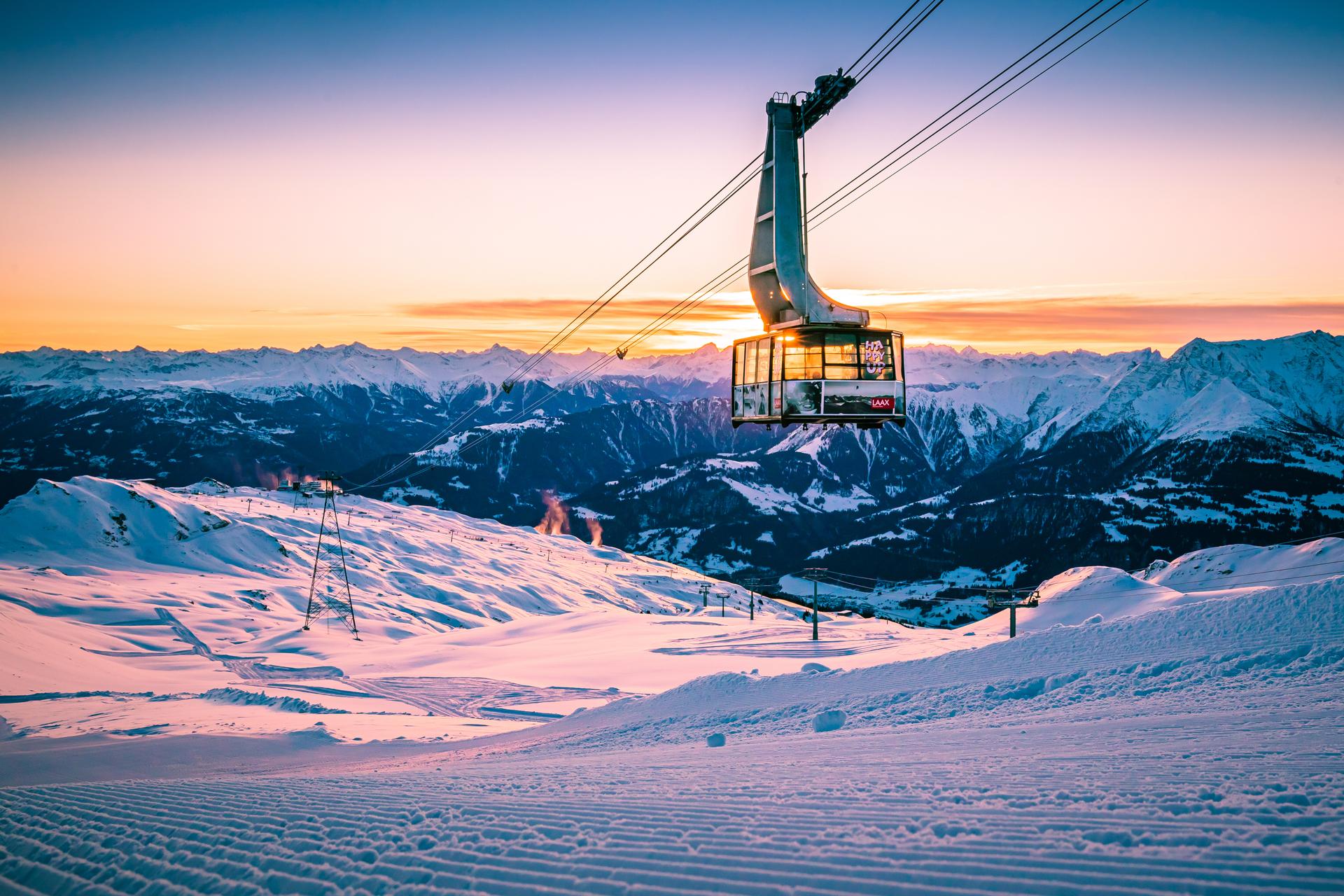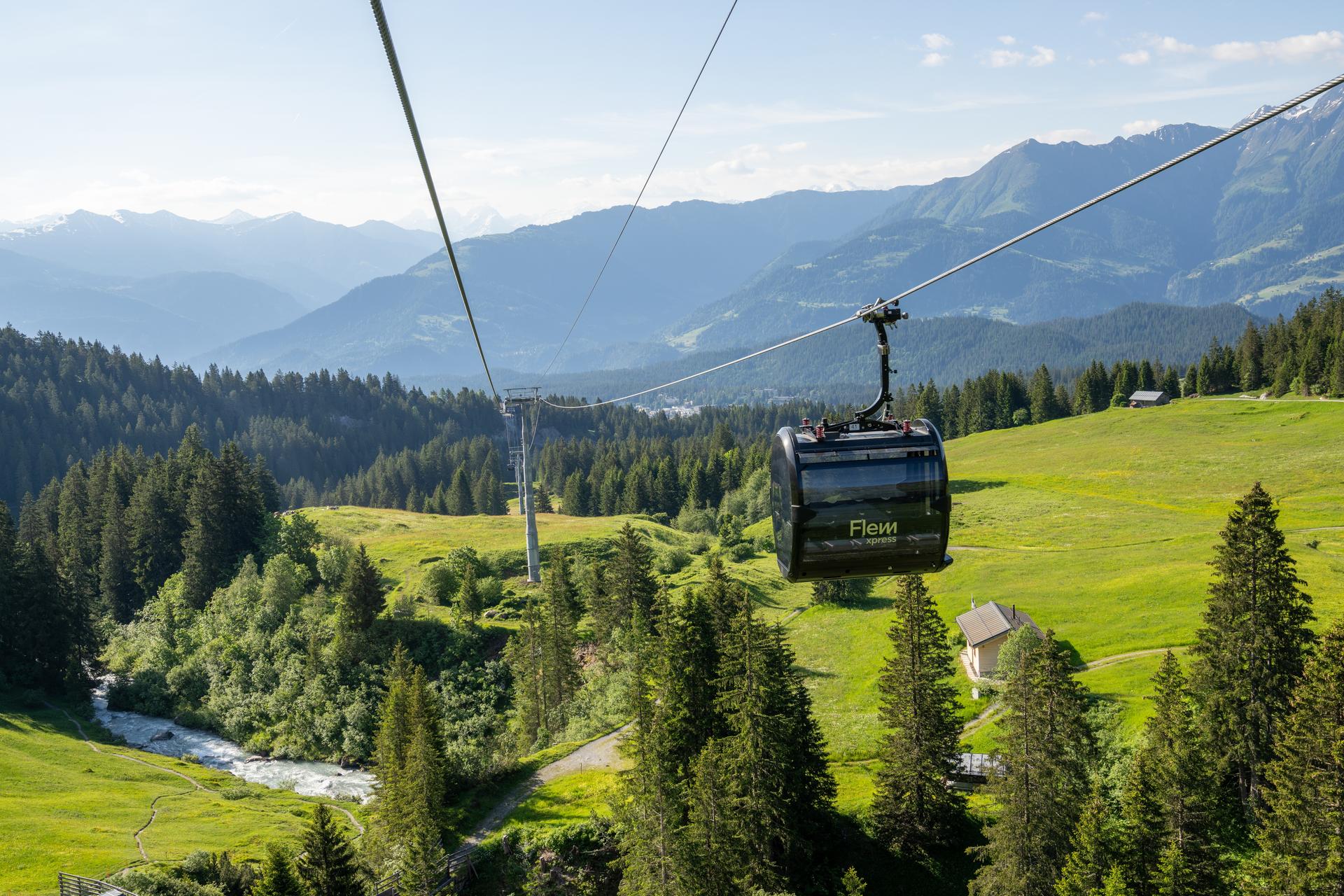
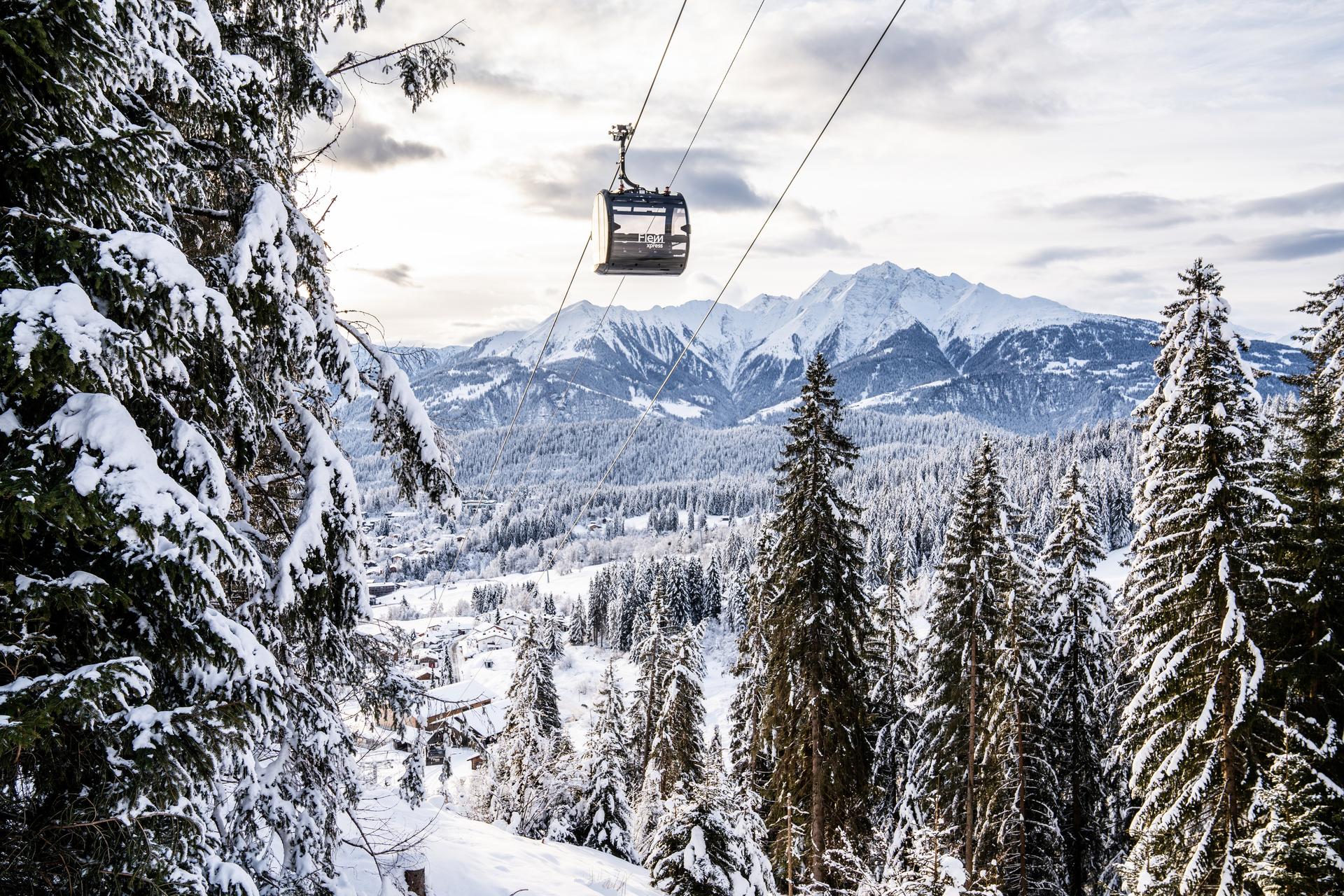
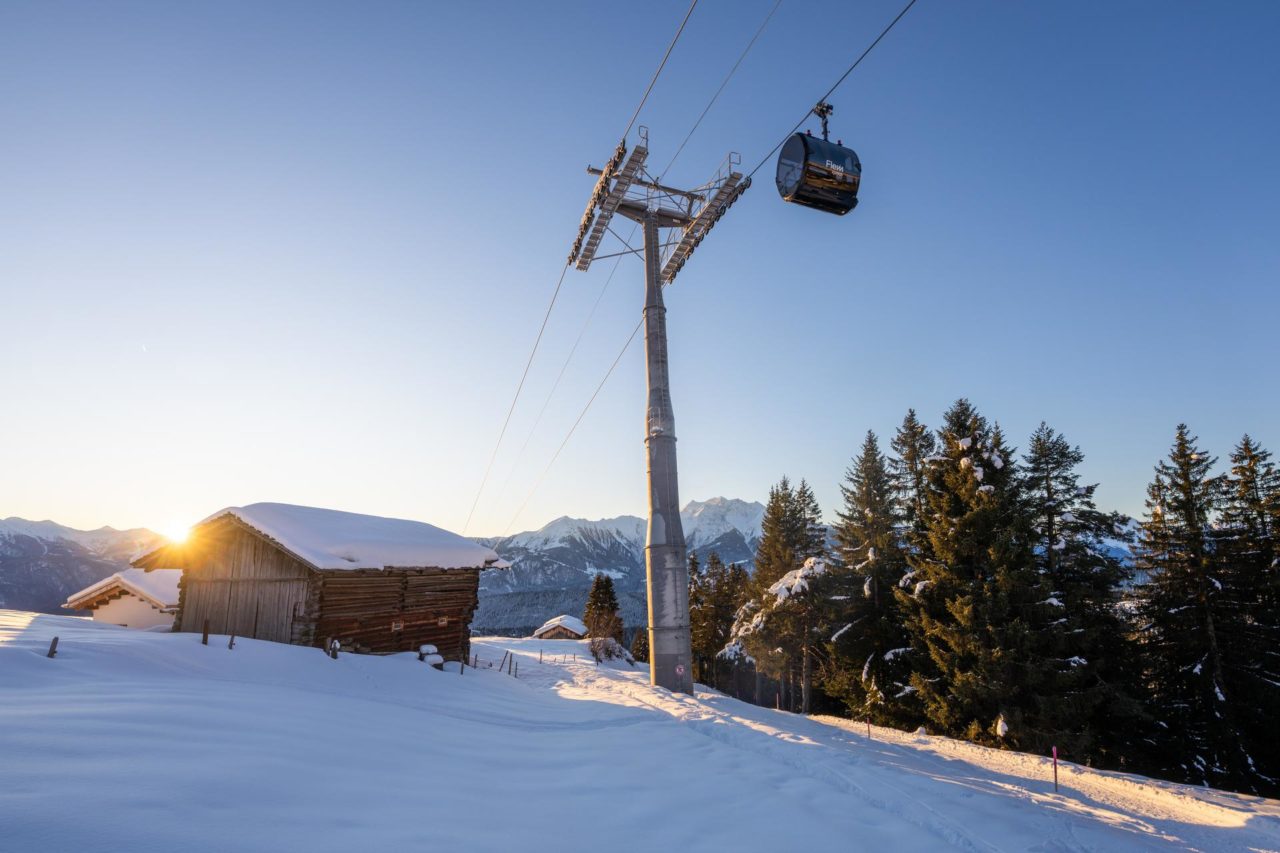
After three and a half years, construction of the new 10-person gondola lift "FlemX" has been completed. The lift, consisting of five sections, is based on the globally unique "rope taxi" technology. It not only provides direct access to the UNESCO World Heritage Site Sardona above Flims, but also makes the area around Cassons accessible again by mountain railway.

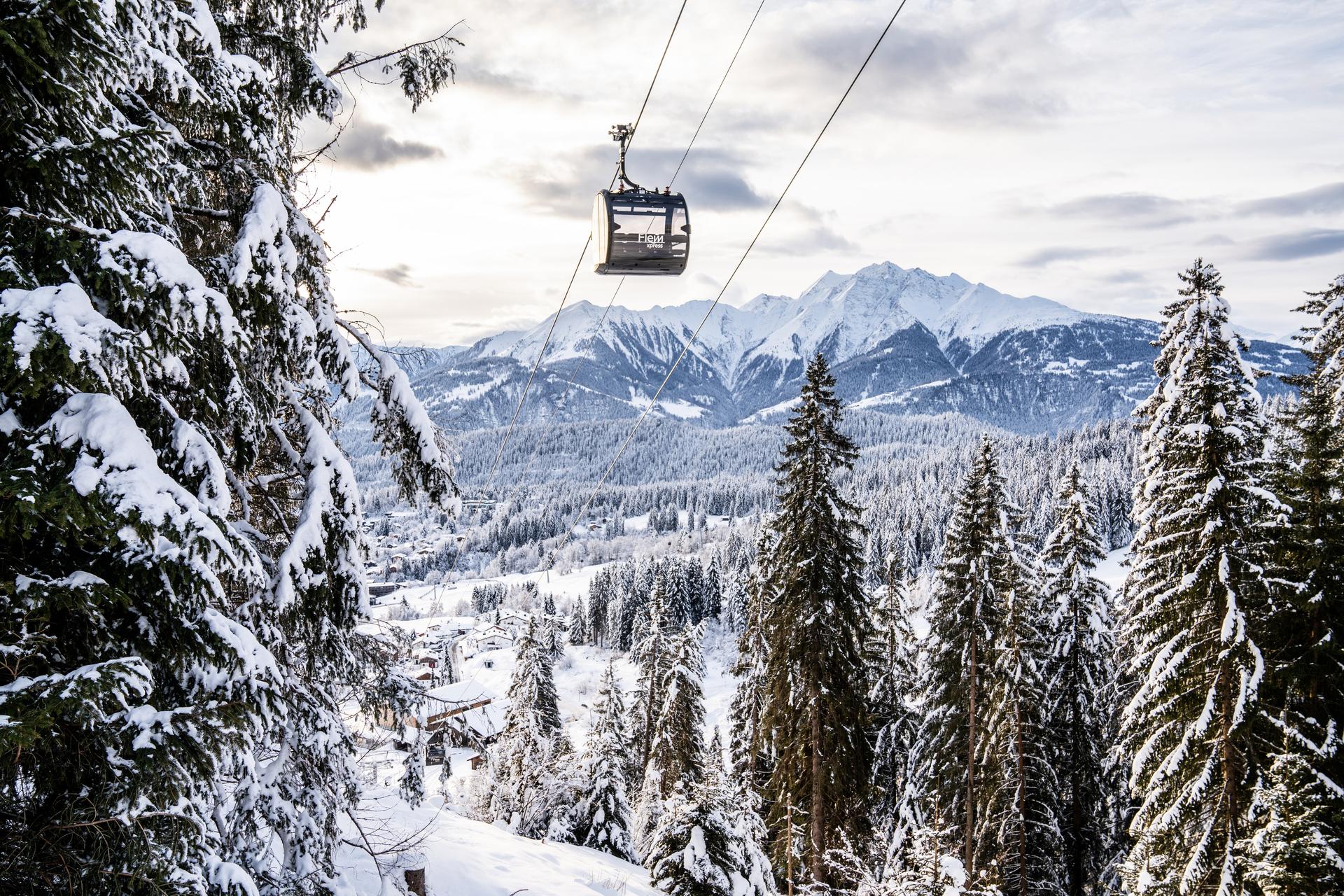
This major project was financed by the municipality of Flims and the Weisse Arena Group with support from the canton of Graubünden. The investment volume amounted to CHF 80 million. The cable car is fully automated and operates on demand. The ropeway technology used was developed specifically for this project by the Weisse Arena Group and Bartholet Maschinenbau AG.
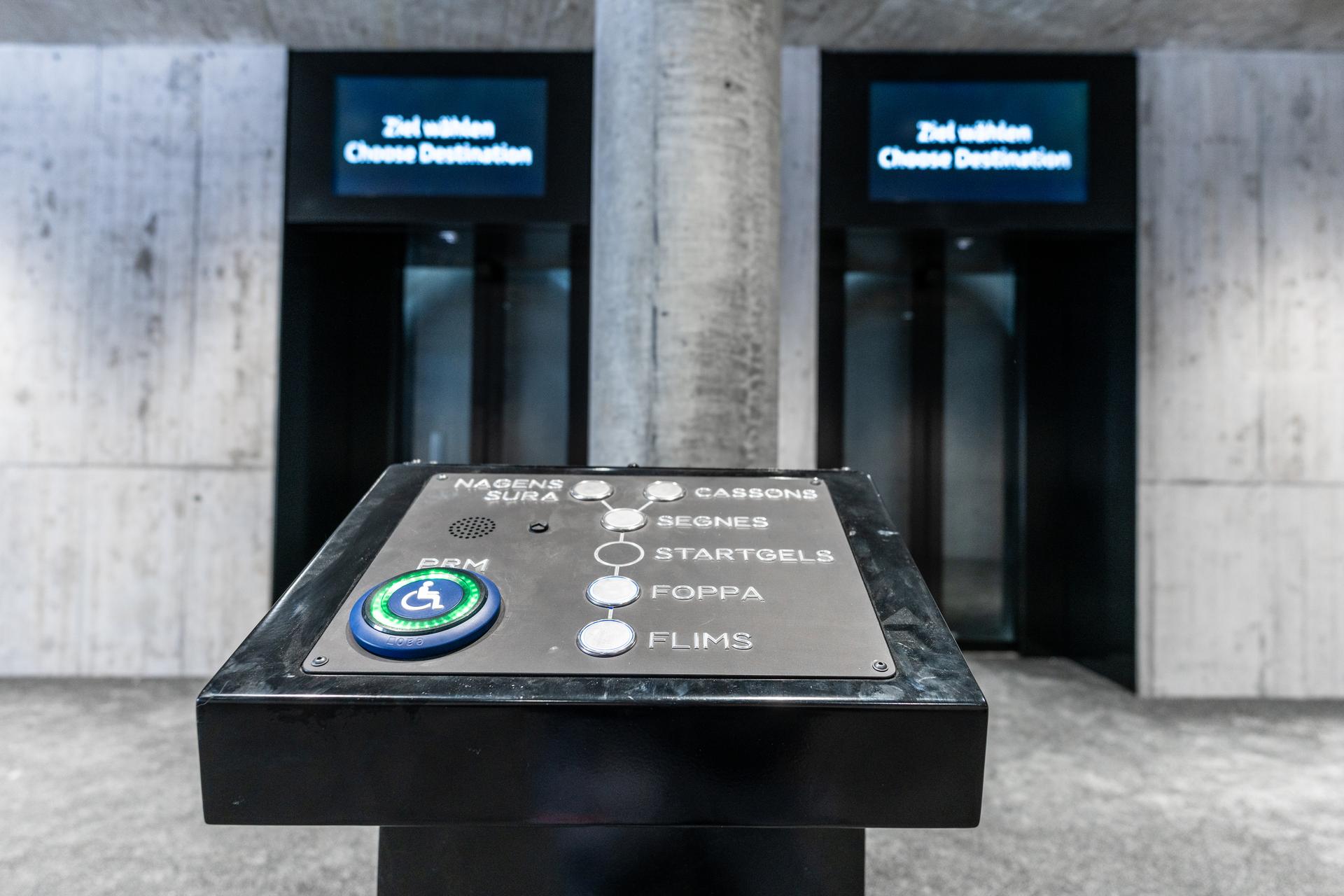
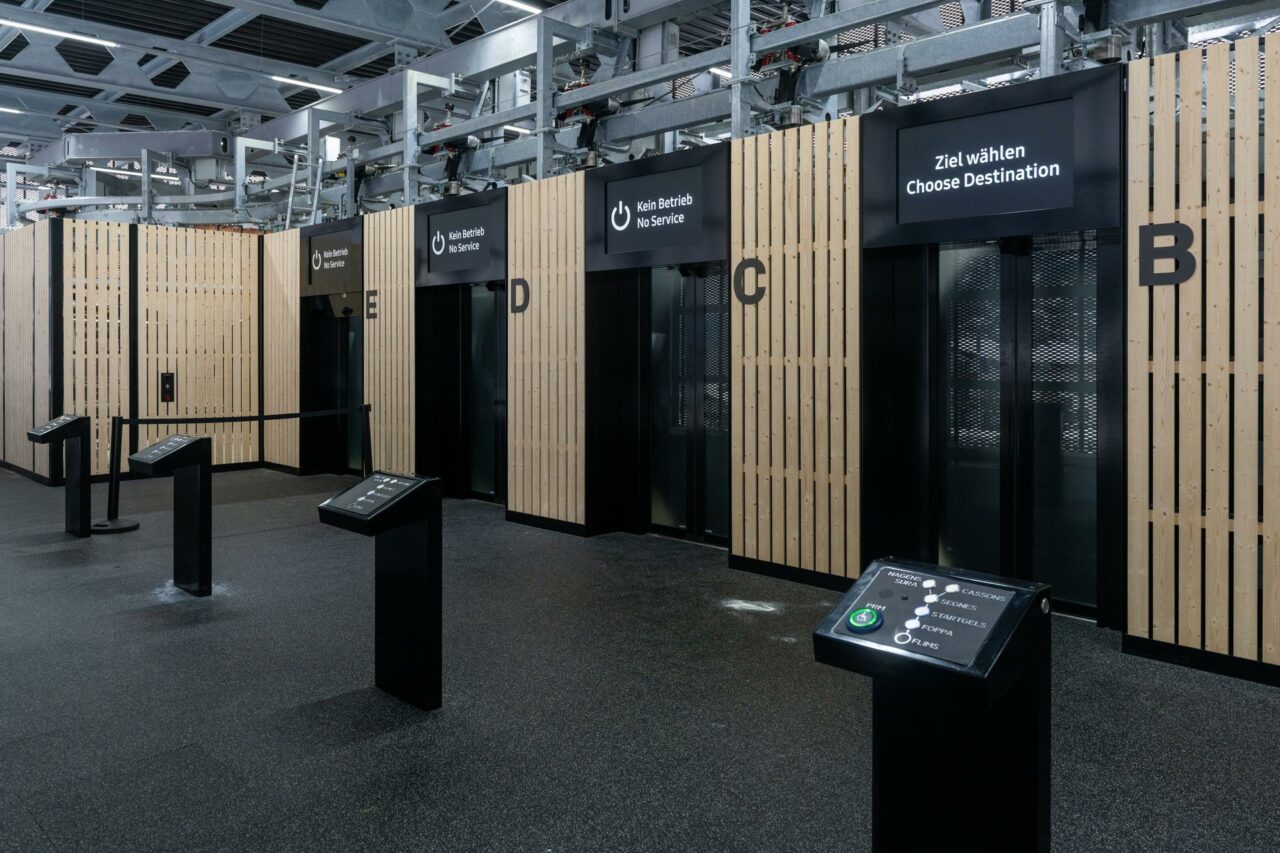
As with all gondola lifts, the cabins travel along the track on a cable. However, inside the station, the cabins move autonomously on rails thanks to their own electric drive. If no gondolas are occupied, they are not on the track. Thanks to innovative technology, passengers can board the stationary cabin with luggage or sports equipment without any hassle and with complete accessibility. In addition, energy consumption is expected to be reduced by up to 50%.
The cable car has six stations and 108 gondolas. Each gondola can accommodate ten people, or five people if they are carrying mountain bikes. The cable car has a capacity of 1,800 people per hour.
The first two sections (Flims–Foppa and Foppa–Startgels) have been in operation since December 2023. This was followed in December 2024 by the opening of two further sections, Startgels–Segnes and Segnes–Nagens Sura. The final section, Segnes–Ils Cugns (Cassons), was opened in December 2025.
timeline
Complete opening of the FlemX
The fifth and final section (Segnes – Ils Cugns) opened on December 20, 2025, marking the grand opening of the entire FlemX. In just 24 minutes, guests can travel from Flims at 1,100 meters to Ils Cugns at 2,500 meters on the new gondola lift. The area around Cassons is now accessible by mountain railway again for the first time in over ten years.
The railway will also be renamed. The new name, "FlemX," is intended to reflect the unique nature experience. The X stands for "experience" and underscores the aim of making every stay in the mountains a special experience.
Construction Diary Episode 8
In the latest episode of the FlemXpress construction diaries, Alicia Martinez from the FlemXpress project management team reports on the final stages of construction of the innovative cable car. After more than three years of construction and numerous logistical and structural challenges in the high alpine terrain, the last station at Cassons is now ready to go into operation. Marianne Diebold explains the environmentally friendly integration of the stations, while Jan Megert describes the technical work that was necessary to complete and integrate the system on the electronic side. Guests can now look forward to impressive views of Flims, the Tschingelhörner peaks, and the two Segnesböden plateaus.
Completion of final construction work and technical commissioning of Section 5
The final commissioning work is currently underway on the fifth section of the FlemXpress. Approval by the Federal Office of Transport (FOT) is pending. The operating license is expected to be granted at the end of November 2025.
SISAG will begin technical commissioning of the new station in fall 2025. During this phase, it will not be possible to exit at the Segnes station. After the end of the summer season, the entire FlemXpress will be closed for final testing from October 20, 2025.
Support joints and cable pull Section 5
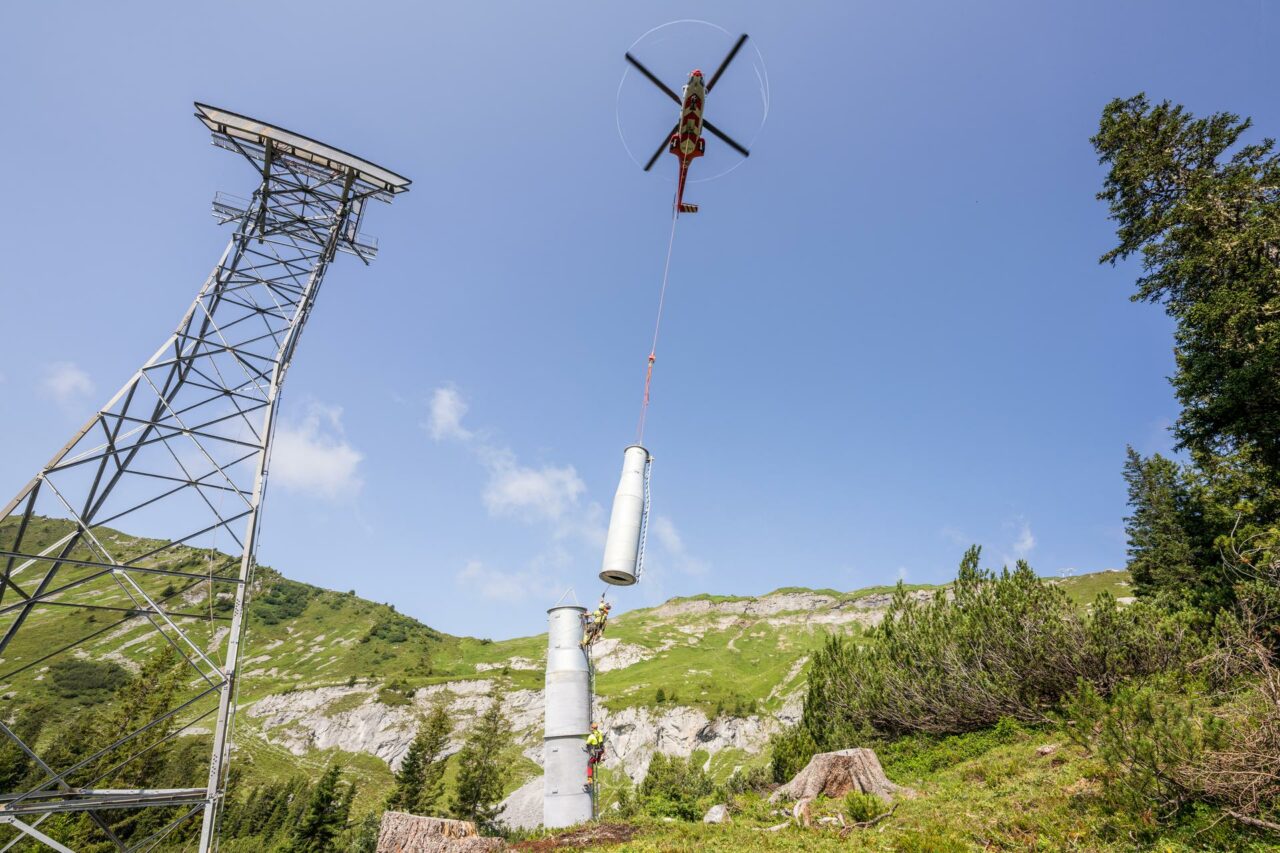
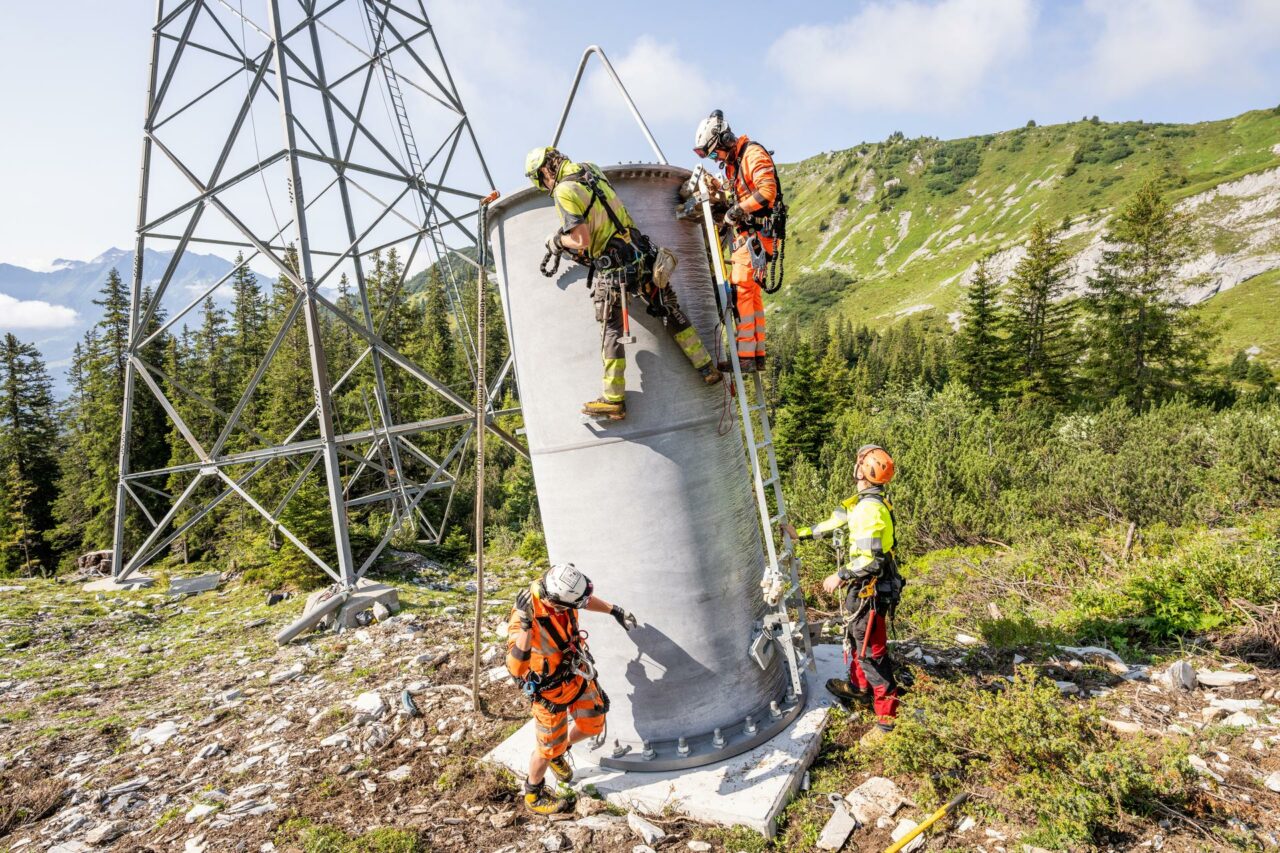
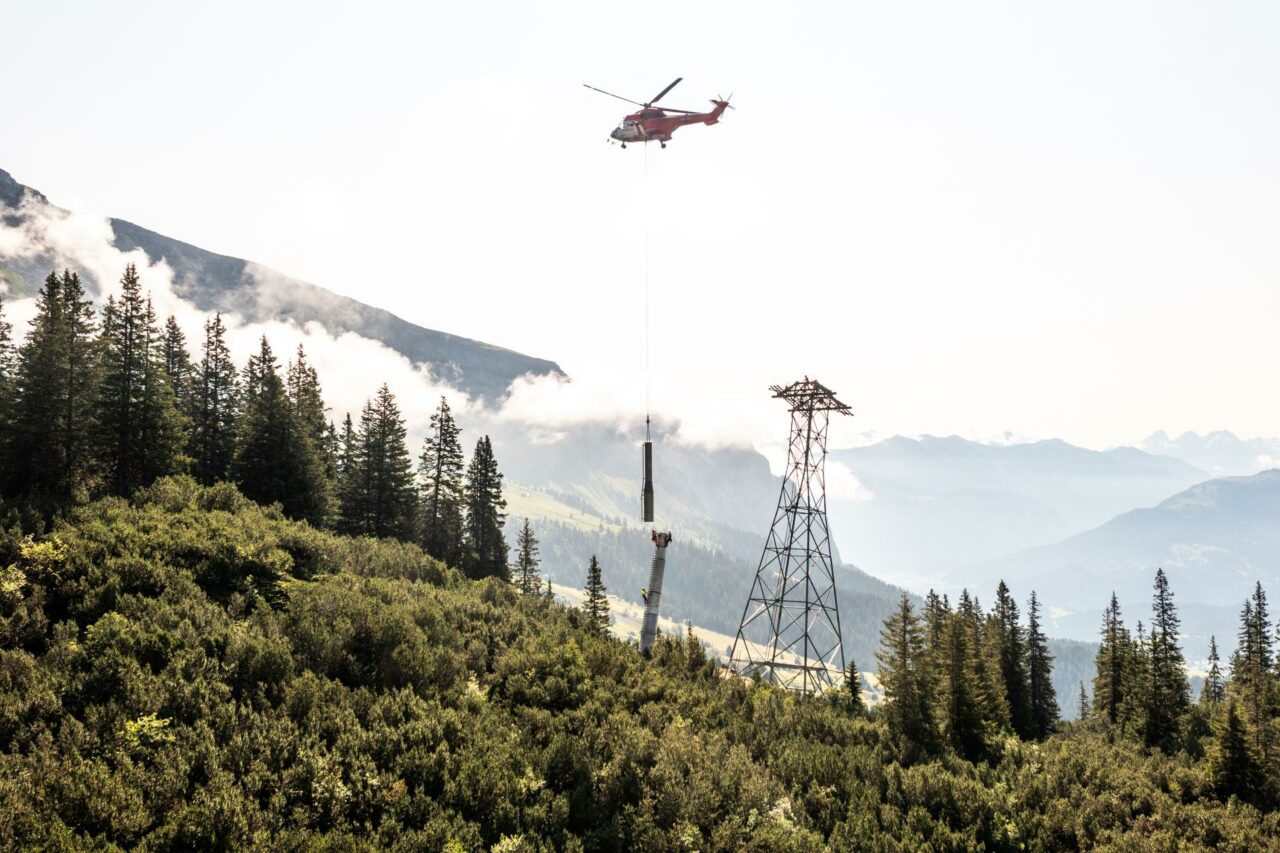
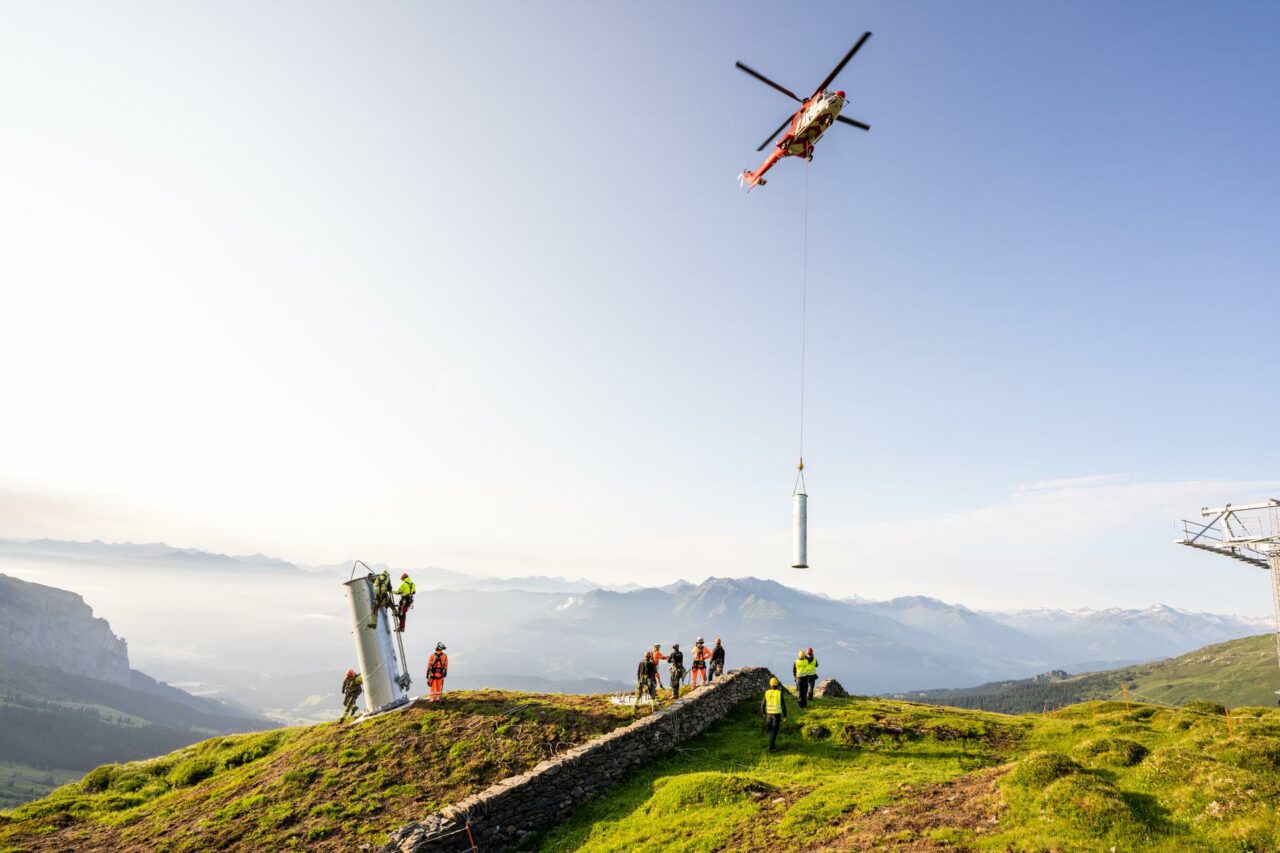
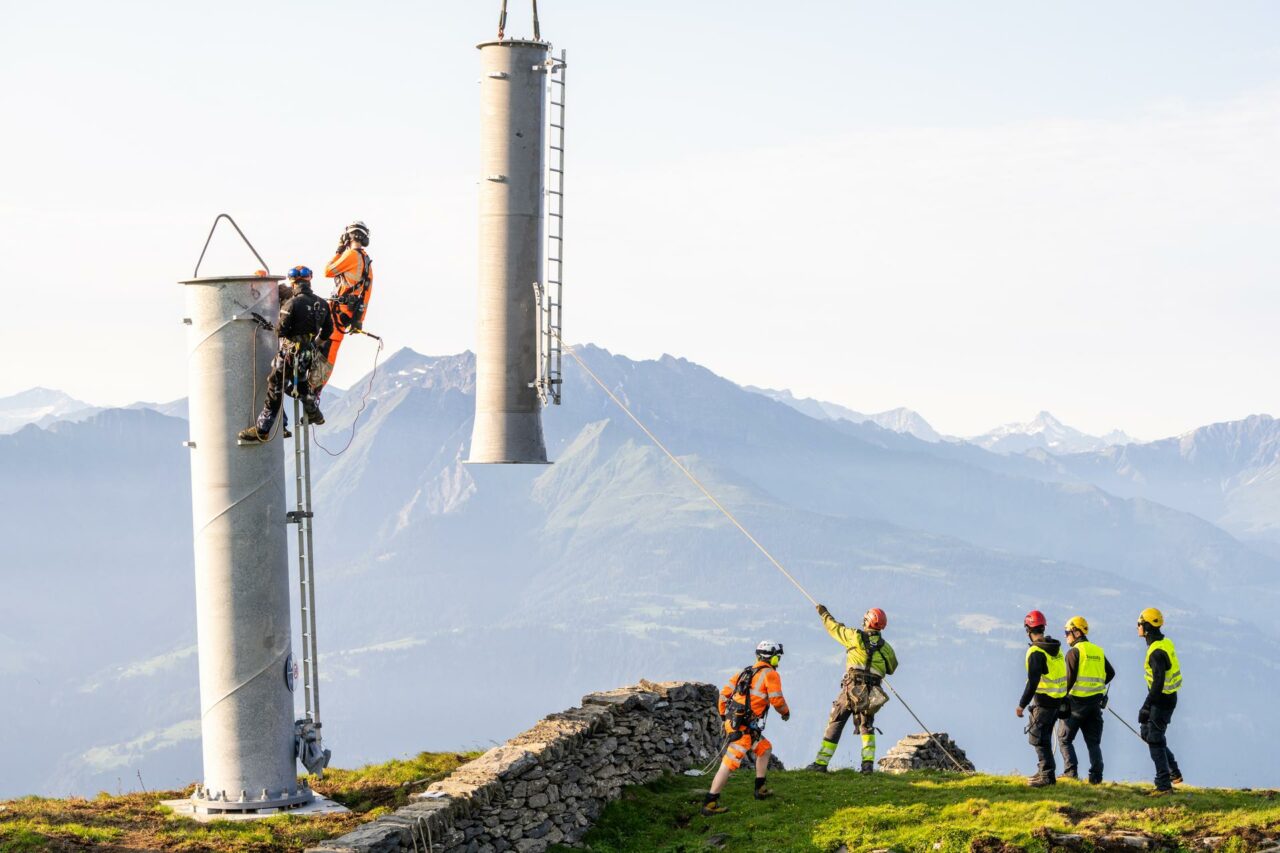
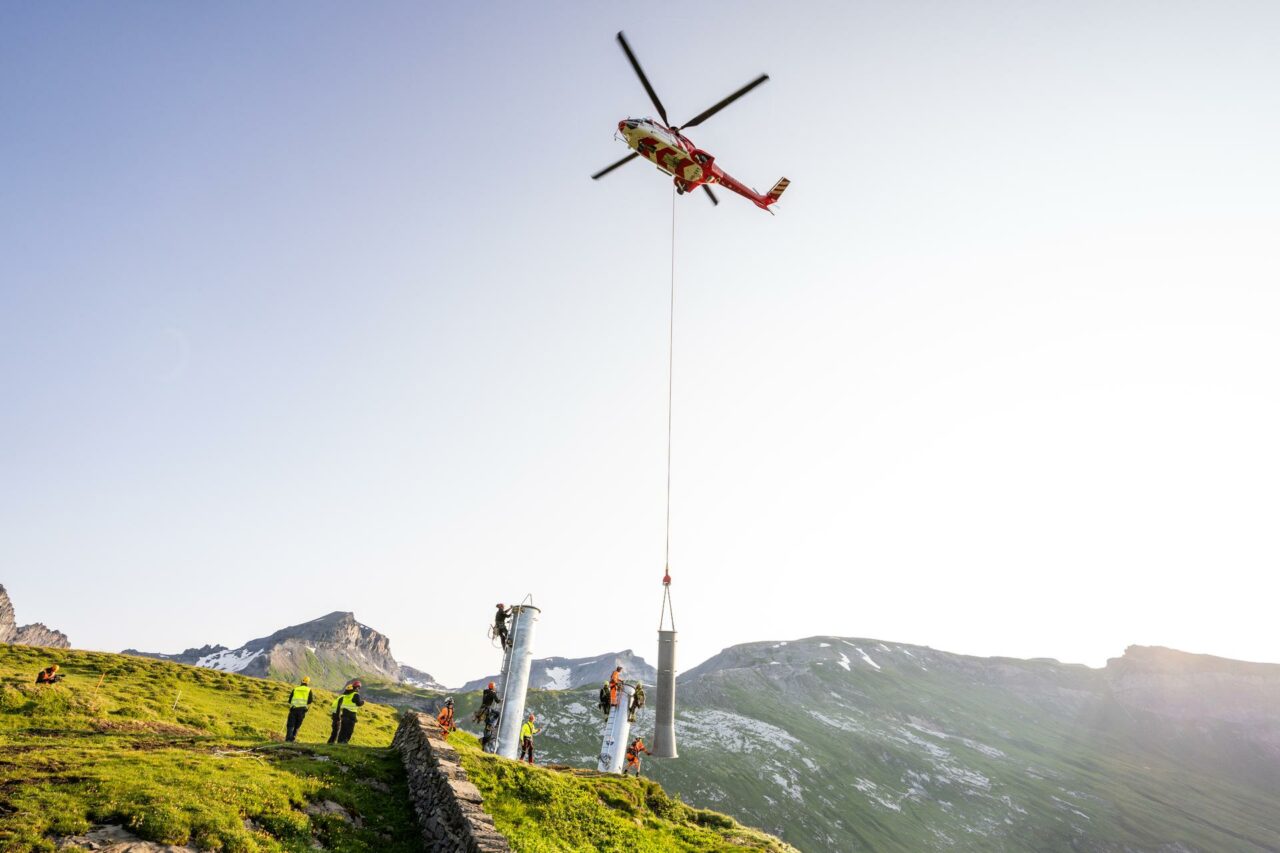
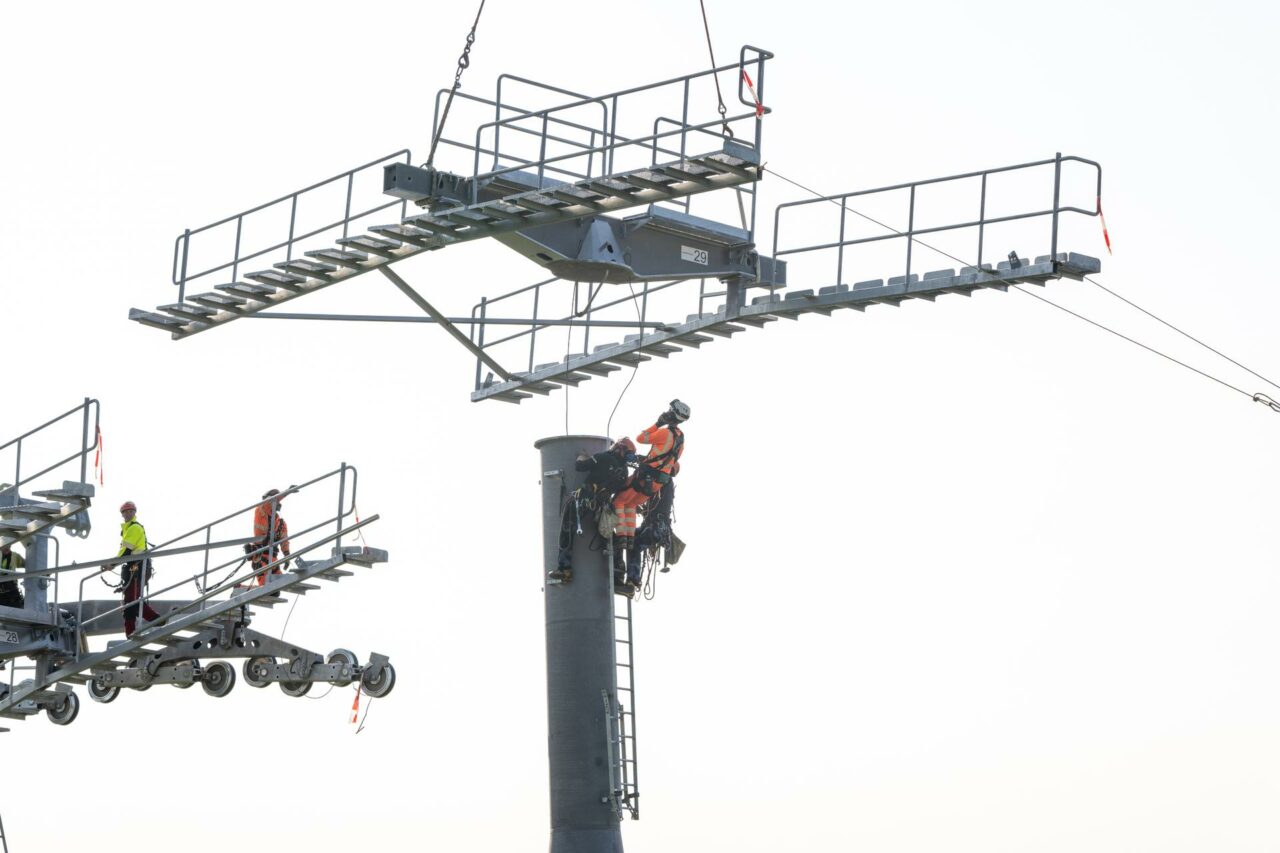
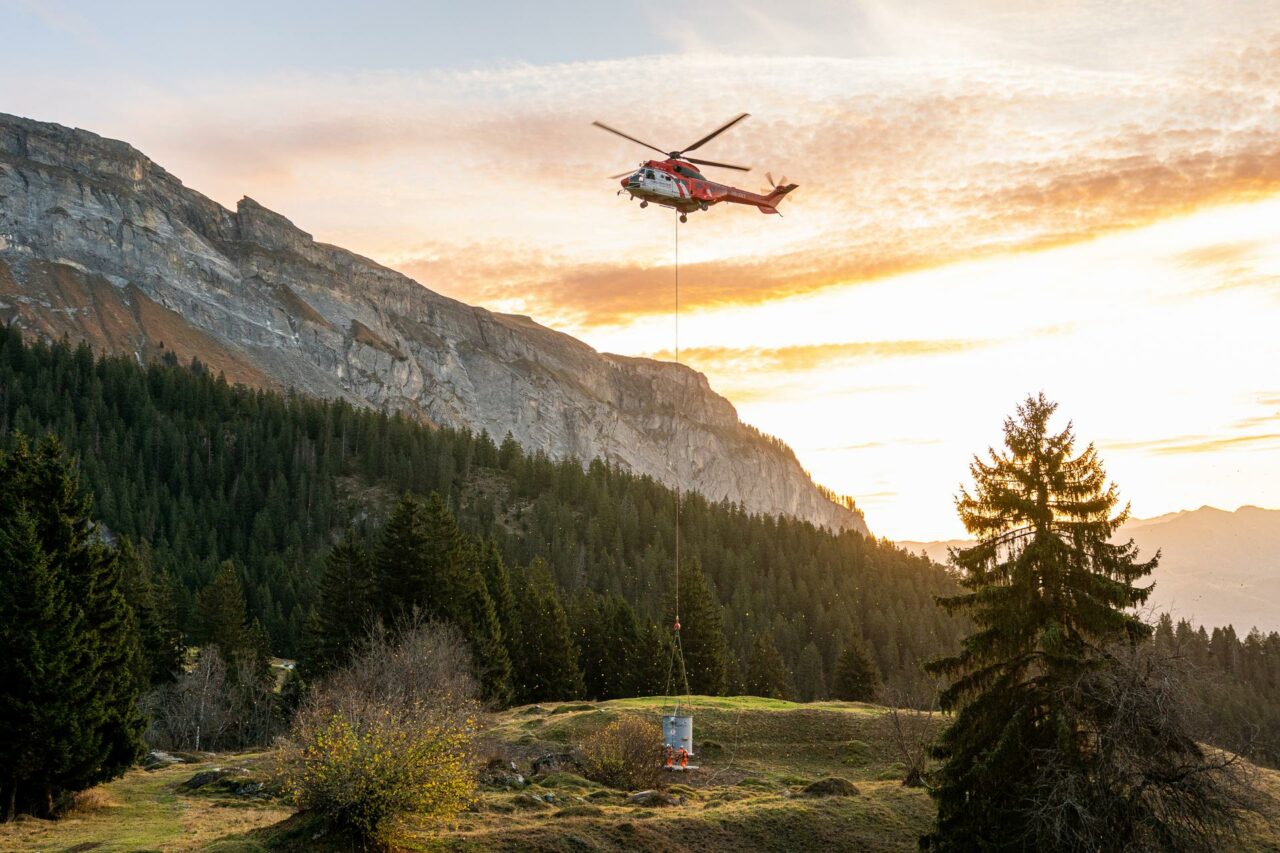
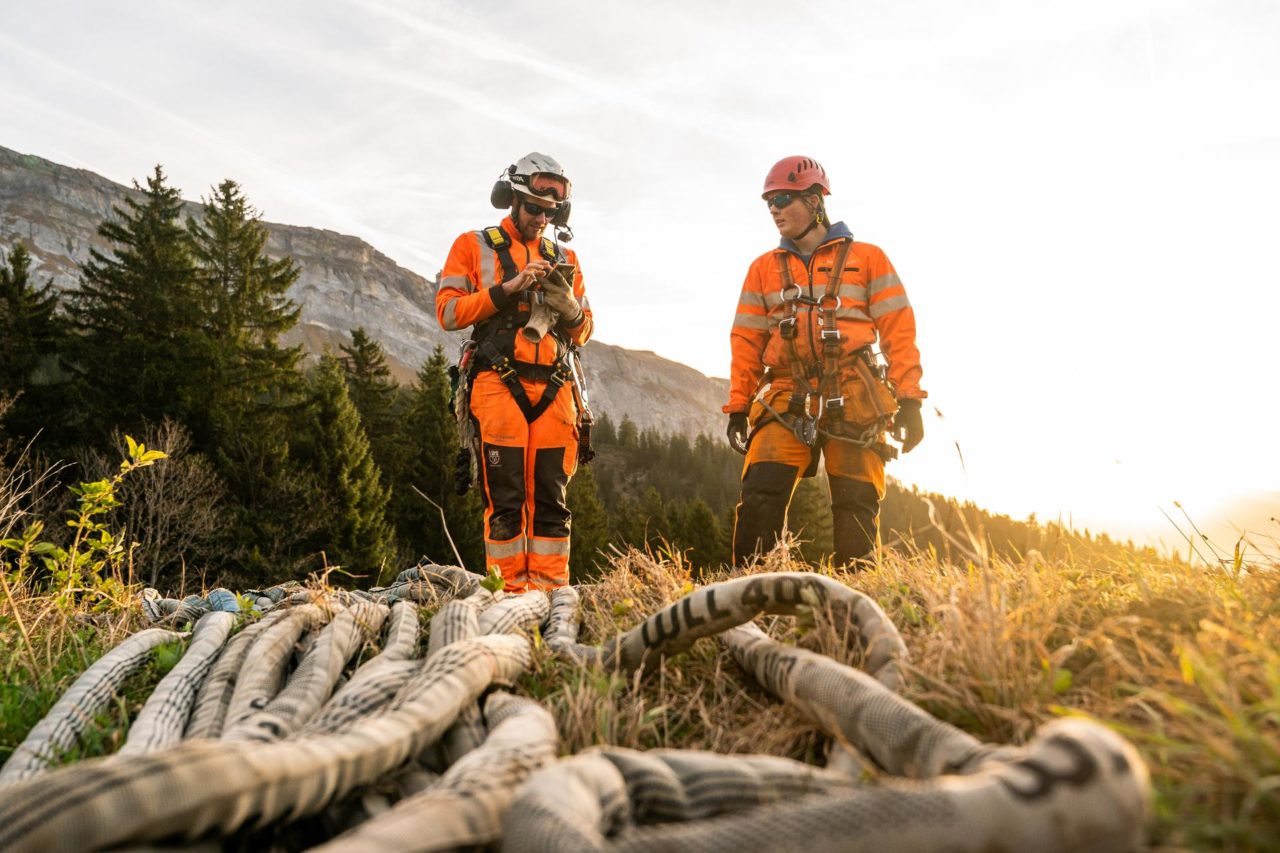
The supports for the Segnes–Ils Cugns (Cassons) section will be flown in and installed in June and July. Cable pulling will begin on August 18, 2025. During this time, the Startgels–Segnes and Segnes–Nagens Sura sections will be closed for one weekend. The Flims–Foppa and Foppa–Startgels sections will remain in operation. Furthermore, the command room, the shelter for guests, and the platforms at the Ils Cugns station will be completed in summer 2025.
Construction of the ils Cugns (Cassons) station
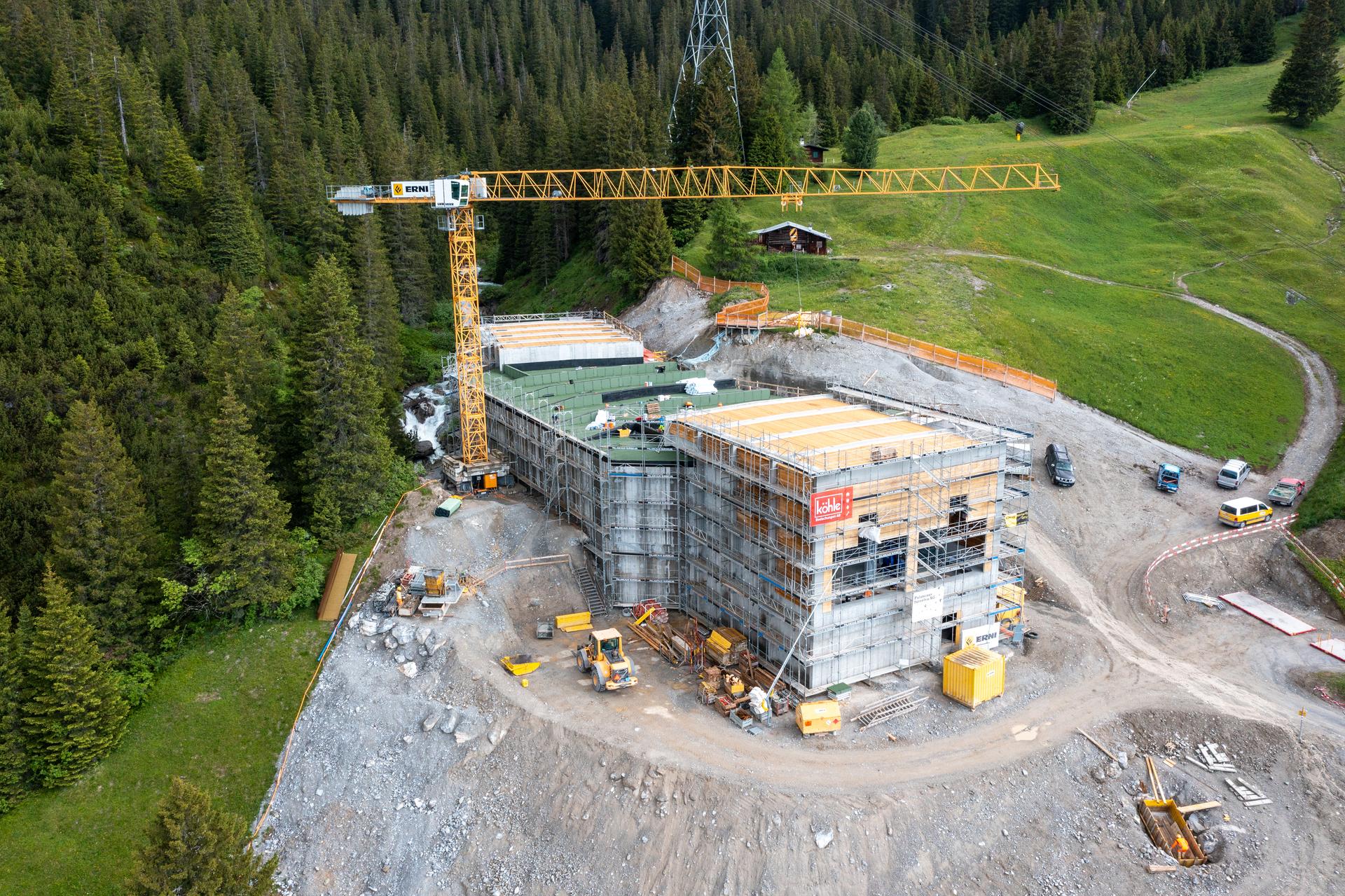
The construction of the station at Ils Cugns (Cassons) marks the start of work on the final section of the FlemXpress. The station is located at 2,500 meters above sea level and will go into operation in winter 2025/26.
Successful acceptance of sections 3 + 4 and granting of operating license by the FOT
Regular rail service on the FlemXpress, including its two new sections, will commence on Friday, December 20, 2024. These sections have been successfully approved by the Federal Office of Transport (FOT) and the operating license has been issued. From Friday, December 13, to Thursday, December 19, 2024, passengers will have the opportunity to test the new sections from Startgels to Segnes and on to Nagens Sura, and then provide feedback on their journey.
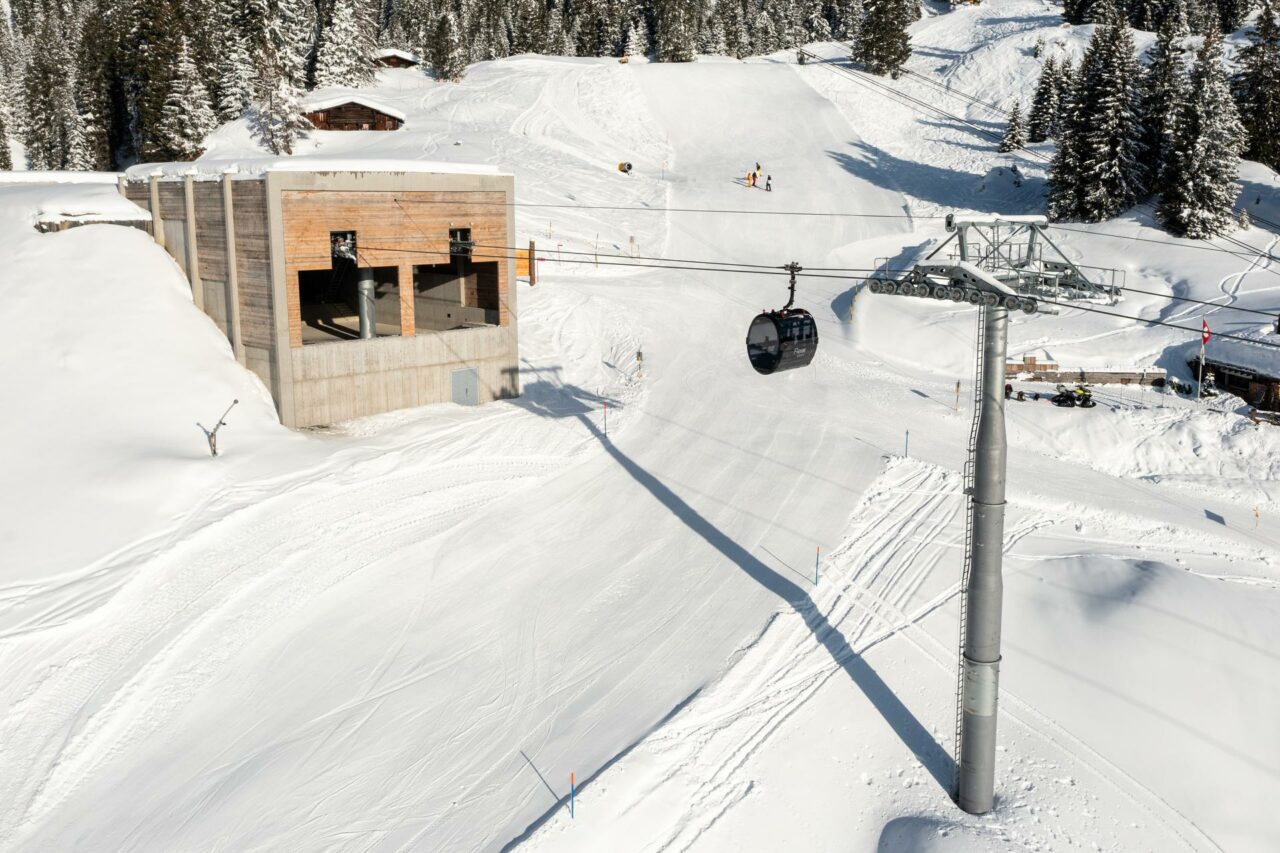
Resizing of the Ils Cugns (Cassons) station
The construction project for the planned FlemXpress Ils Cugns station is being rescaled. This involves simplification, including a massive reduction in the volume of the mountain station building. The route of the railway and the location of the station will remain as planned. The railway operation using the ropeway taxi system will also remain unchanged. In addition to reducing the volume and floor space of the building, the simplification of the project will also result in reductions in the amount of material to be delivered, the amount of concrete required, and the amount of excavation/fill required. One positive effect of these reductions is, for example, significantly less impact on the landscape. For this reason, the environmental organizations Stiftung für Landschaftsschutz, WWF Graubünden, and Pro Natura Graubünden also support the project optimization.
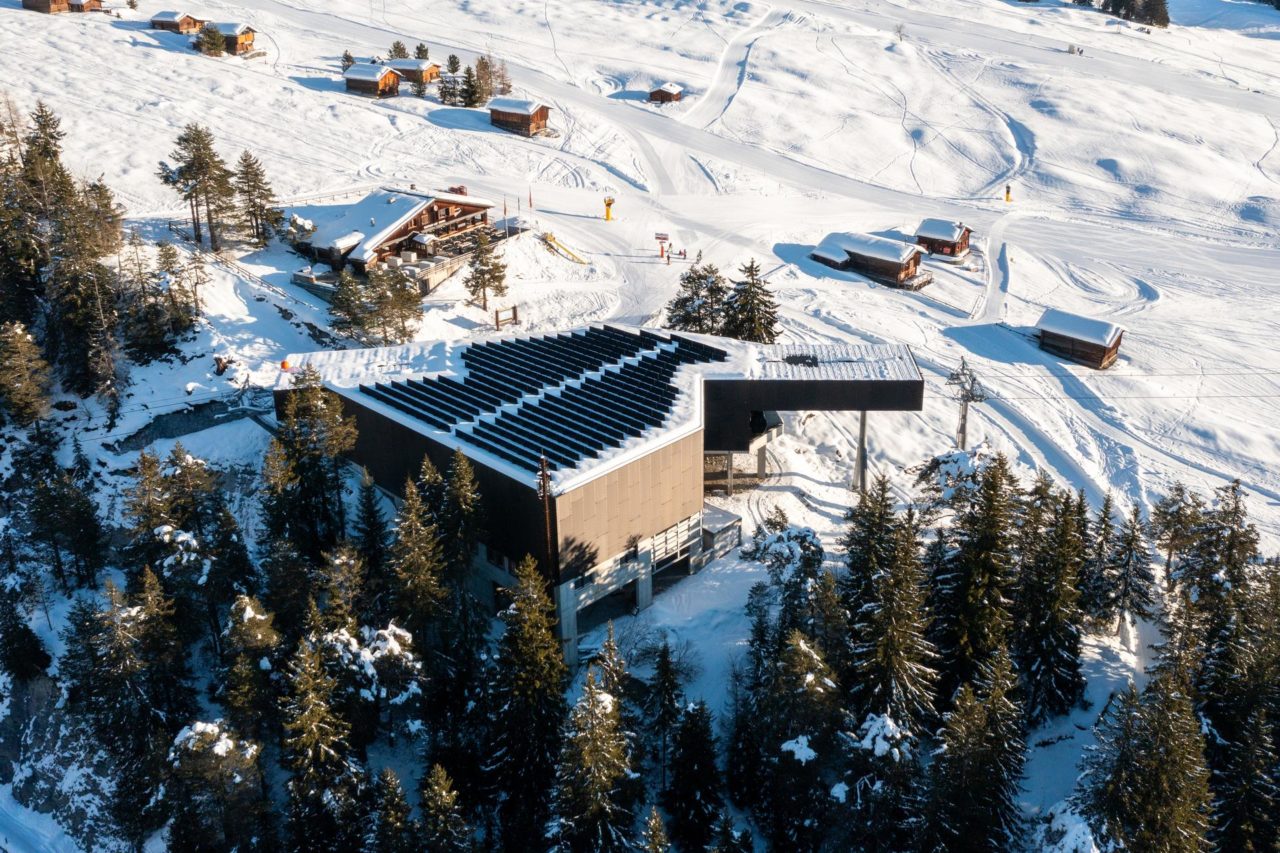
The station will now consist of a lightweight steel structure, similar in appearance to the stations in Flims and Foppa. This visually unobtrusive construction blends in well with the landscape. The resizing of the station will also reduce the amount of resources required and shorten the actual construction time, which are the reasons behind Cassons AG's decision. A new building permit application is required for the structural modifications resulting from the project change. Once the building permit has been obtained, the concrete work is scheduled to start as early as September/October 2024.
Supports for sections 3 and 4 are installed
The supports for sections 3 and 4 of the FlemXpress are being installed in spectacular fashion. Sections 3 and 4 will be available for guests to use from the 2024/25 winter season. At the same time, the supports for the old Grauberg cable car are being dismantled. Meanwhile, the Segnes station is also under construction.





Commissioning of the first two sections, Flims–Foppa and Foppa–Startgels
After a three-year development phase followed by two months of intensive testing, the new 10-person FlemXpress gondola lift will commence operation on Saturday, December 23, 2023, with the opening of the two sections Flims–Foppa and Foppa–Startgels.


Construction diary – Episode 7: Rope technology
The seventh episode of the construction diary focuses on the FlemXpress cable. This is a Performa cable manufactured by Fatzer in Romanshorn. This cable impresses with its virtually vibration-free running, low noise levels, and energy savings—properties that meet high standards, as Curdin Caprez, Head of Mountain Railways/Infrastructure Projects at the Weisse Arena Group, emphasizes. Matthias Stacher, Technical Sales Director at Fatzer, explains how the Performa cable works. The episode also offers a fascinating insight into the complex and demanding work of rope splicing.
Construction Diary – Episode 6: Resources
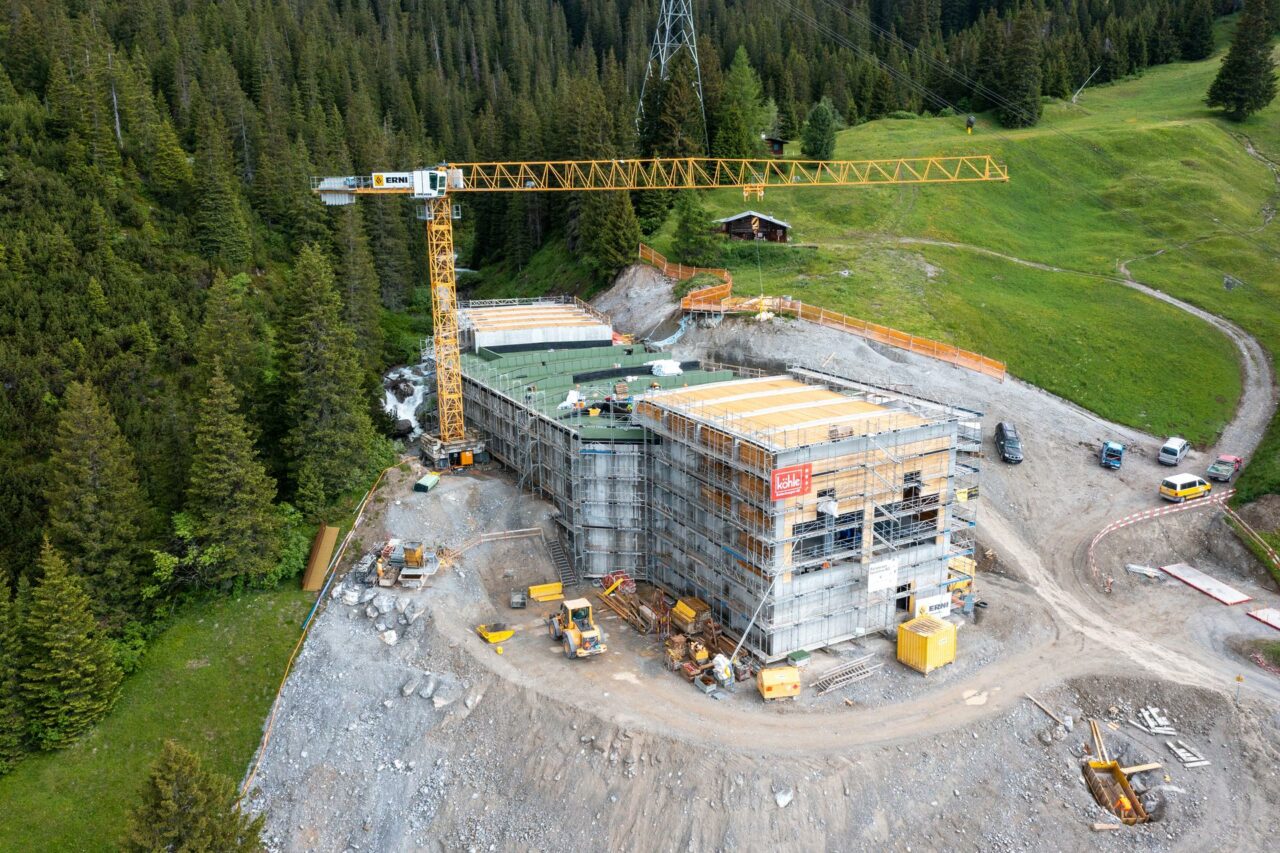
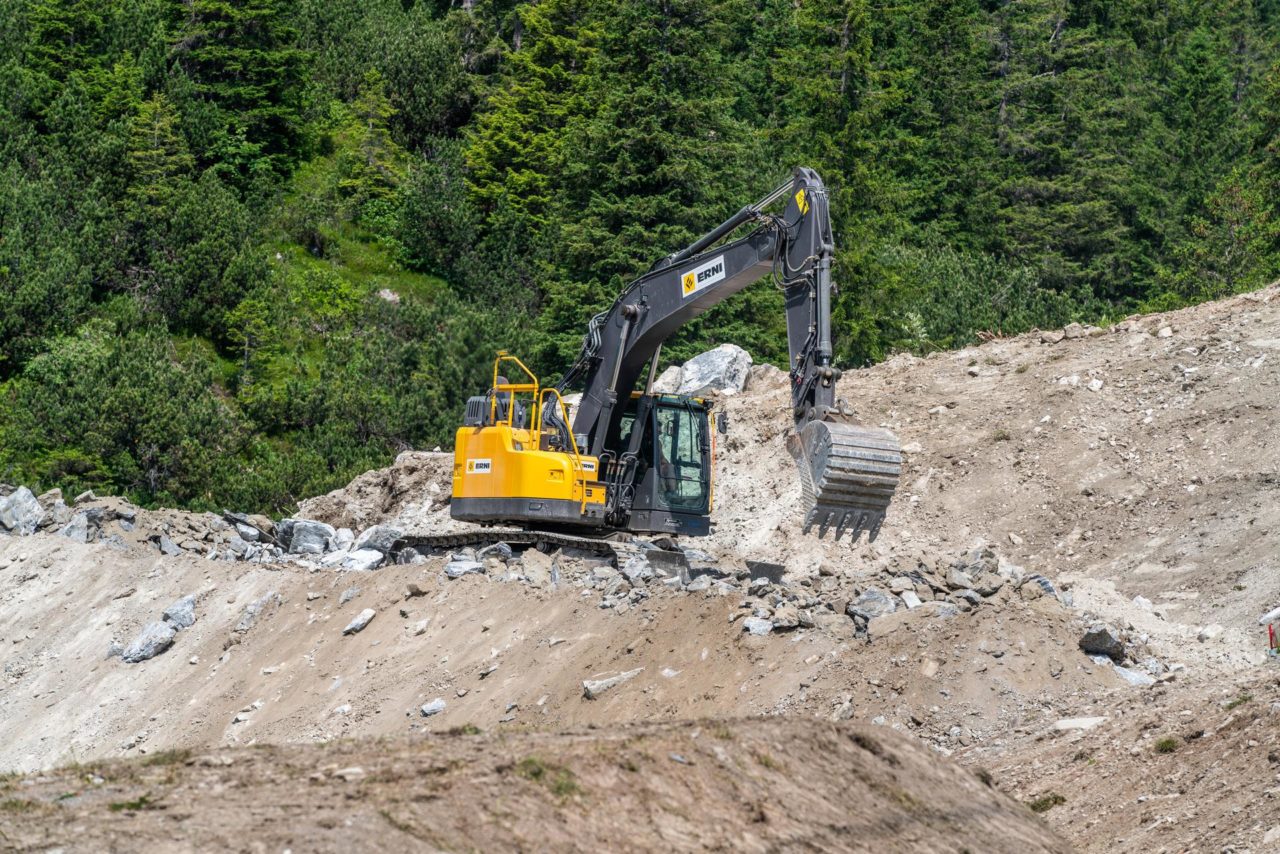
During the course of the construction project development, it quickly became clear that the challenging logistics and the selection of building materials in the Segnes area were crucial for minimizing gray energy. In the sixth episode of the construction diary, Mario Matter, overall planner at CWZ, explains how on-site concrete production allows numerous resources from the excavation to be reused while also utilizing the existing infrastructure of the Graubergbahn railway for logistics. Forester Vincenzo Galati from Flims Trin Forest adds how wood is another regional building material that is being used sustainably.
Construction work in Startgels, Segnes, and Nagens Sura
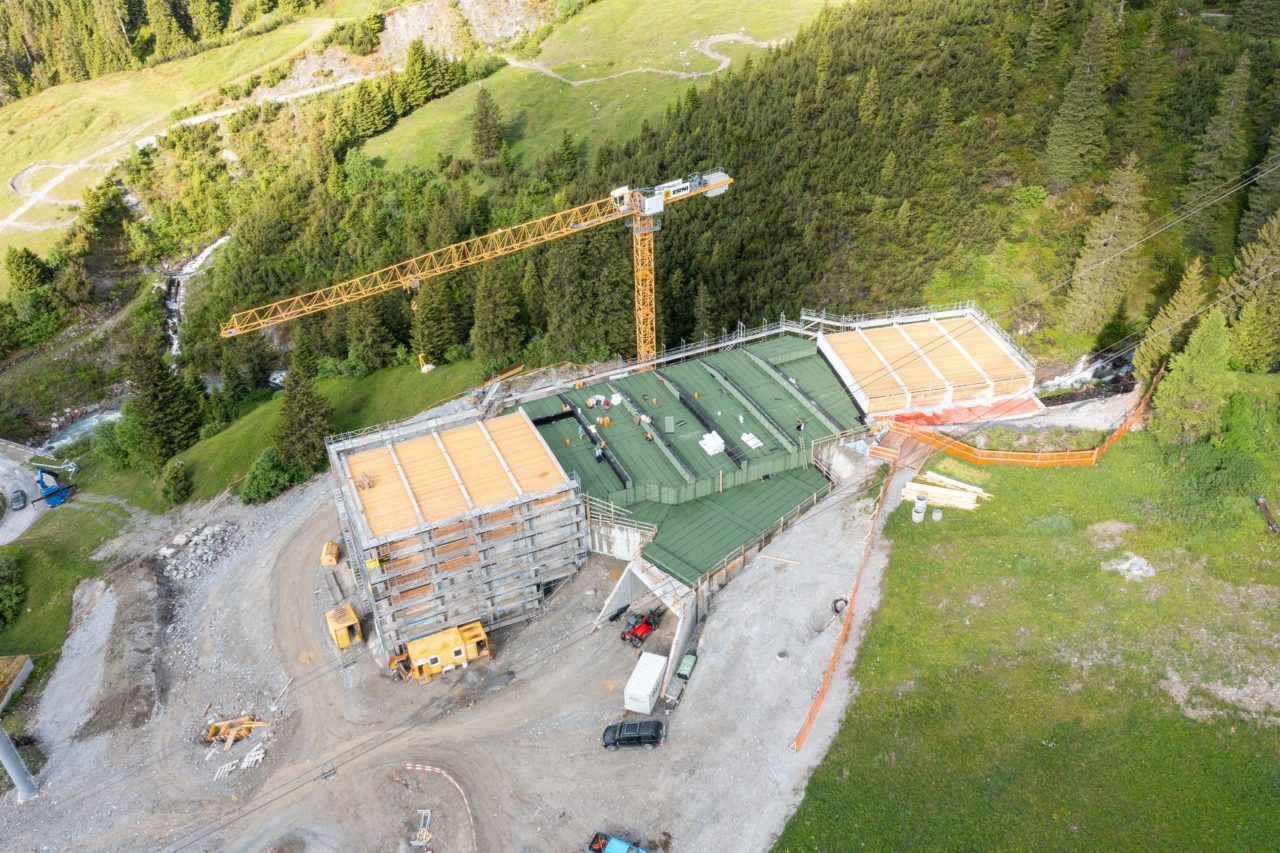
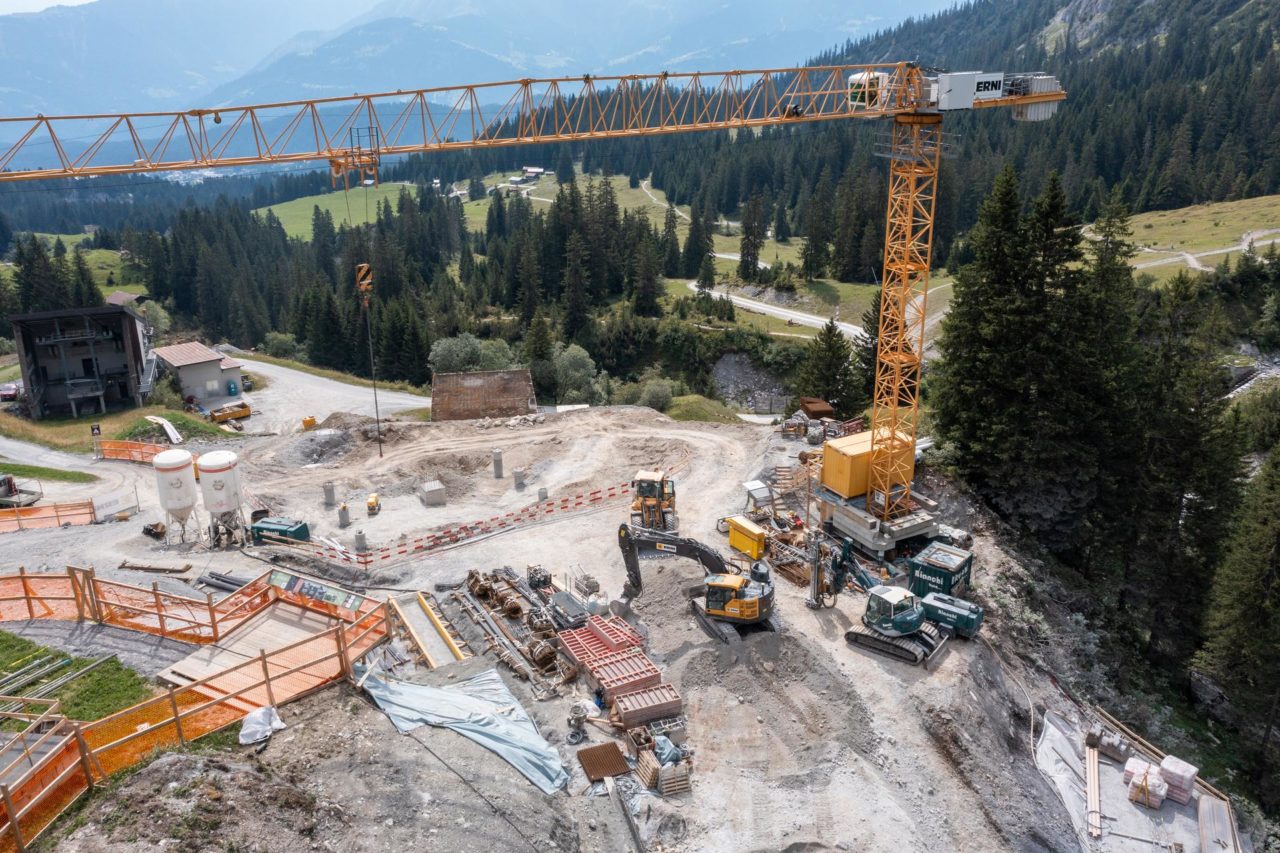
As soon as snow conditions permit, construction work will resume at the sites in Startgels and Segnes. In Startgels, the shell construction has progressed to the point where the rope taxi (rail technology) will be installed in the summer. The first work on the station is also underway in Nagens Sura. The two sections Flims–Foppa and Foppa–Startgels, including stations, will be completed by the end of 2023.
Construction Diary – Episode 5: History & Reuse
In 1945, the people of Flims teamed up with VonRoll to build the world's first detachable chairlift – a pioneering achievement that is coming to an end some 75 years later to make way for a new innovation. With the world's first rope taxi system, Bartholet in Flims is now implementing a technology that enables autonomous driving on cable cars. In the fifth episode of the construction diary, Gion Caprez, mayor of Flims, recalls his last ride on the chairlift and looks forward to the new lift and the development of the upper Segnesboden area. Curdin Caprez, head of mountain railways and infrastructure at the Weisse Arena Group, is proud to be helping shape this new era and another world first in Flims.
Final trip and dismantling of the Flims–Foppa–Naraus chairlifts
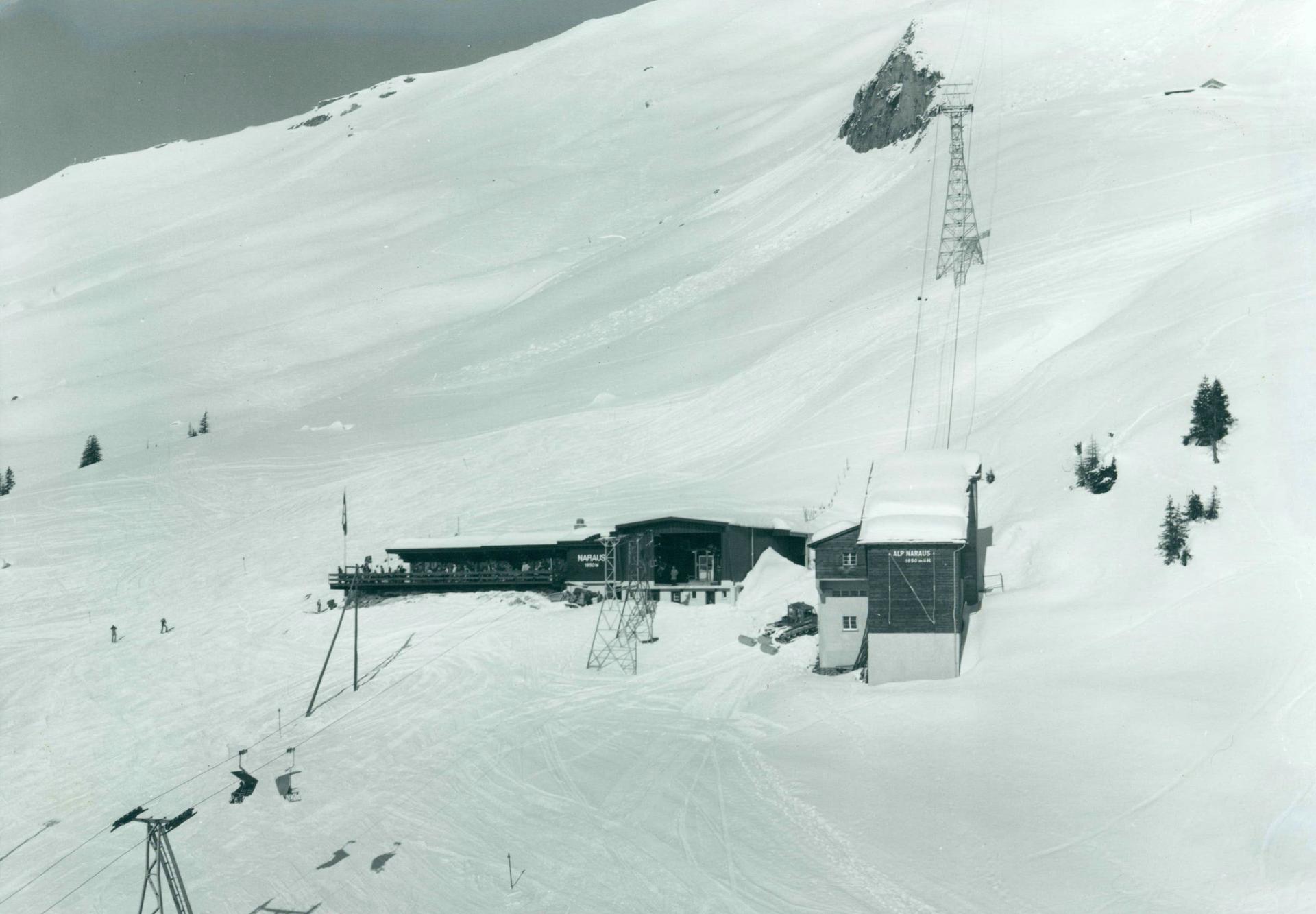
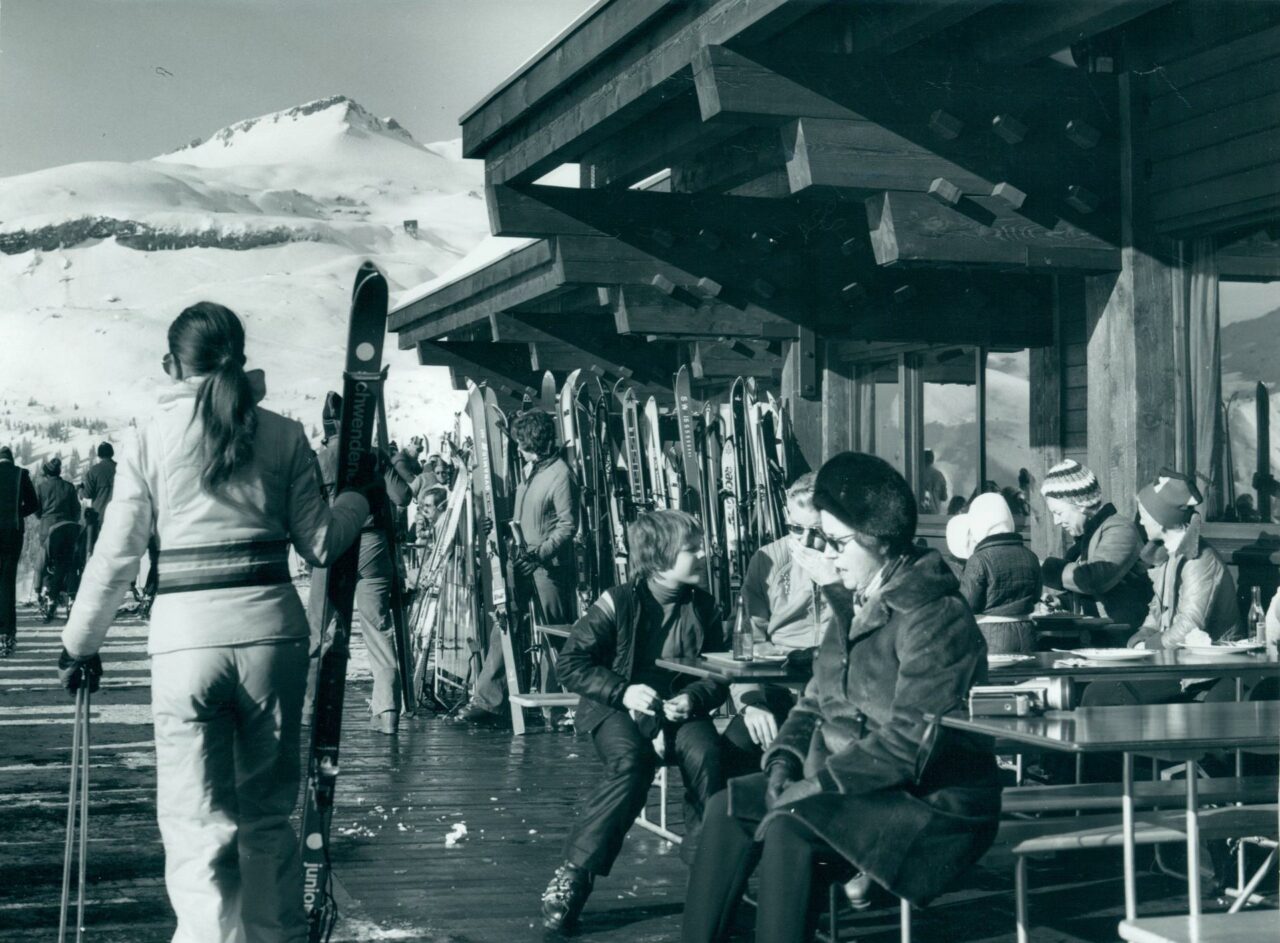
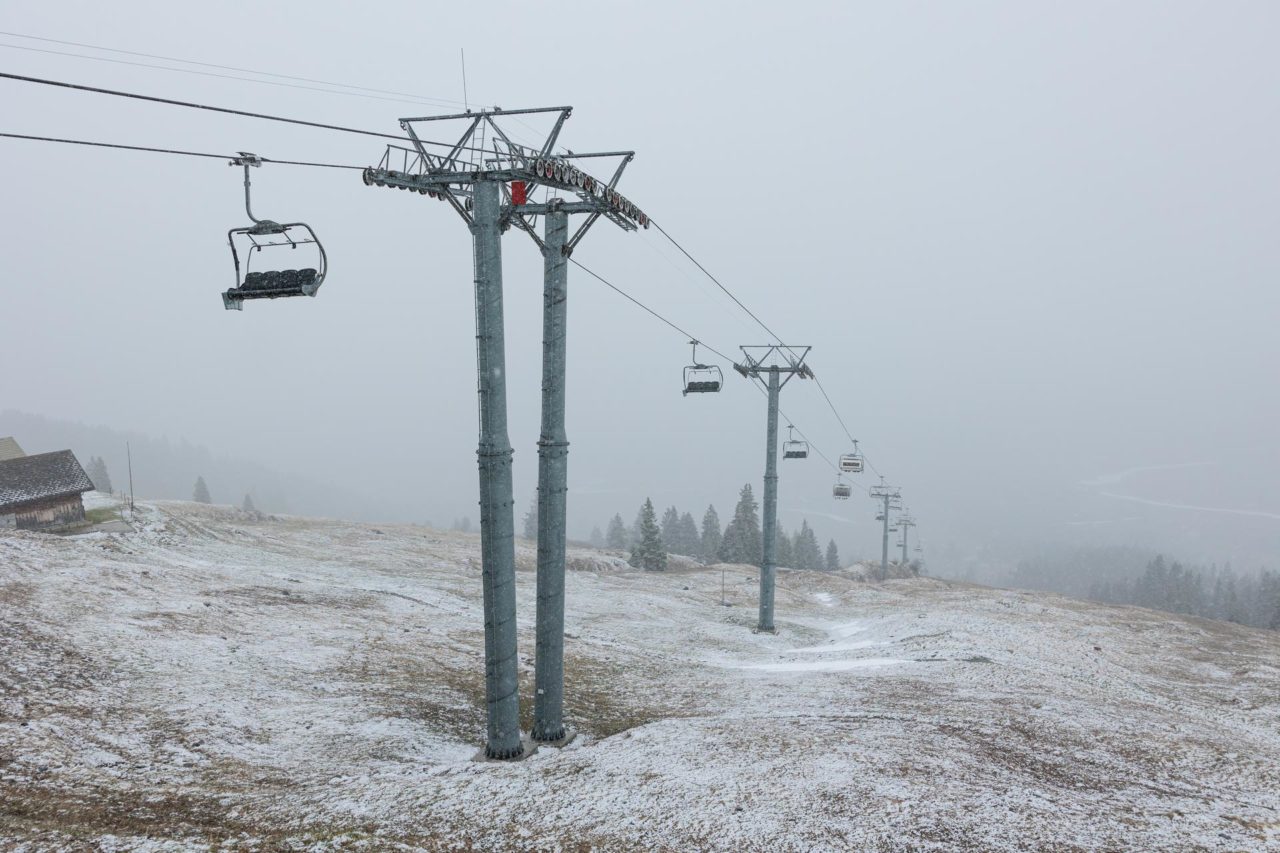
The chairlift from Flims Dorf to Foppa was built in 1945 by the former Flims mountain railway company. It was the world's first detachable chairlift. In 1947, the lift was extended with a second section to Naraus. The lifts were renovated in 1986 and 1989. With the "FlemXpress" construction project, another pioneering project is now being realized on the Flims–Foppa line, continuing the history of innovation in chairlifts.
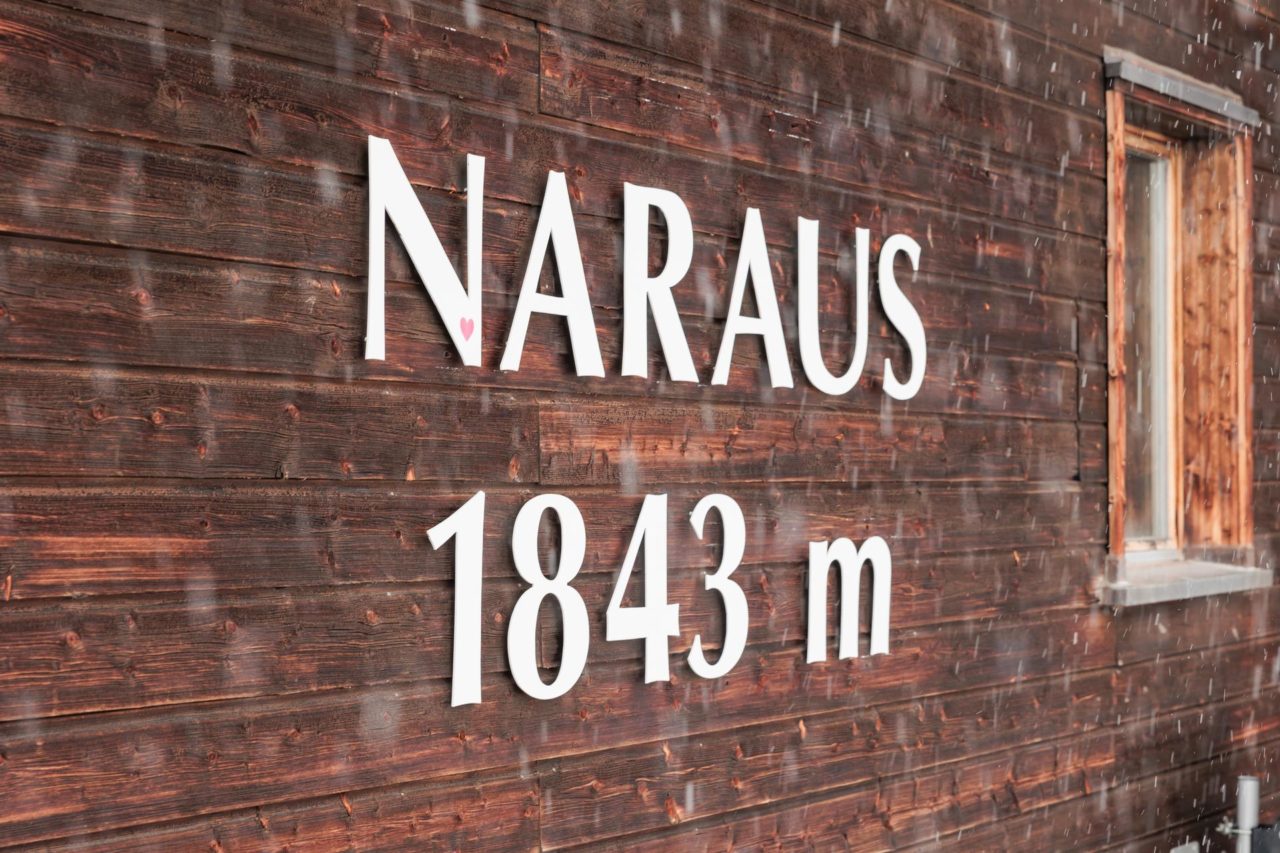
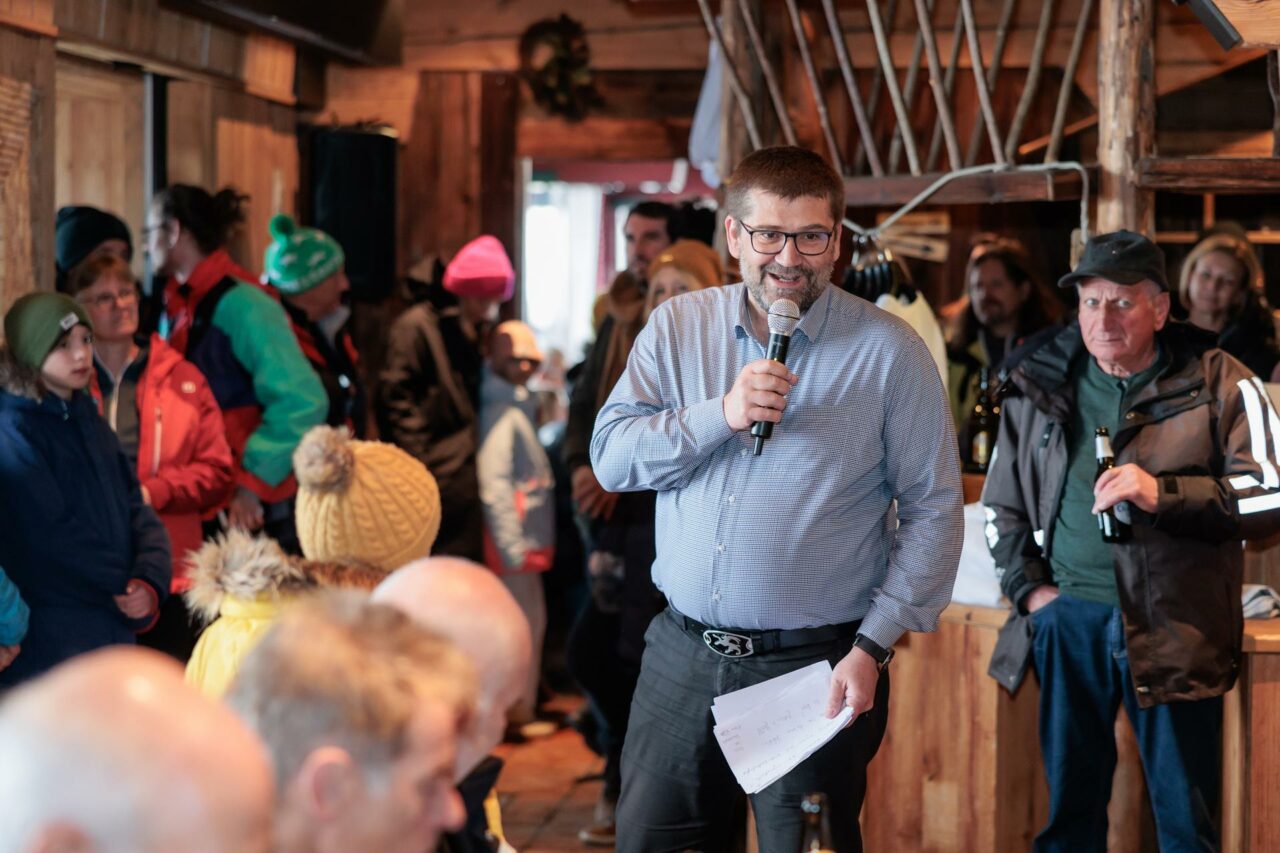
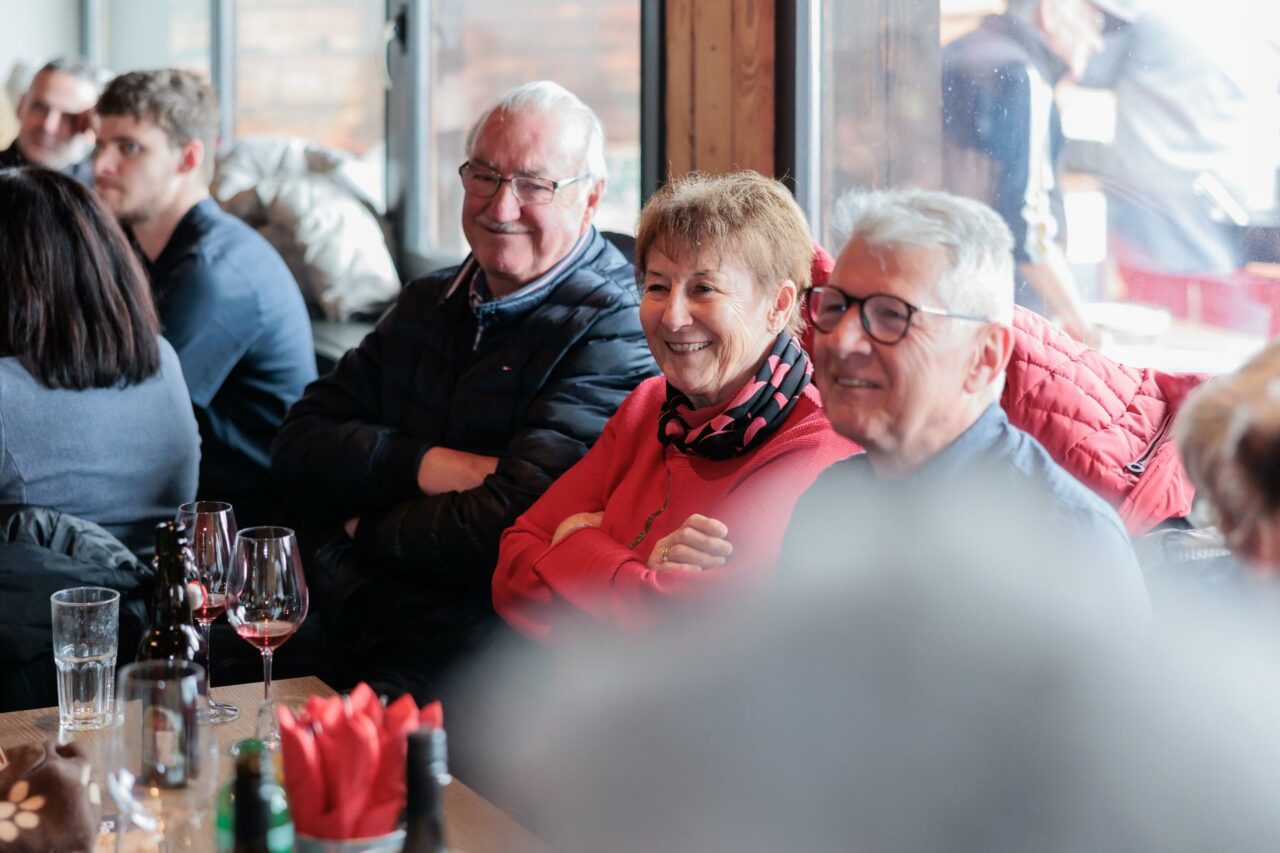
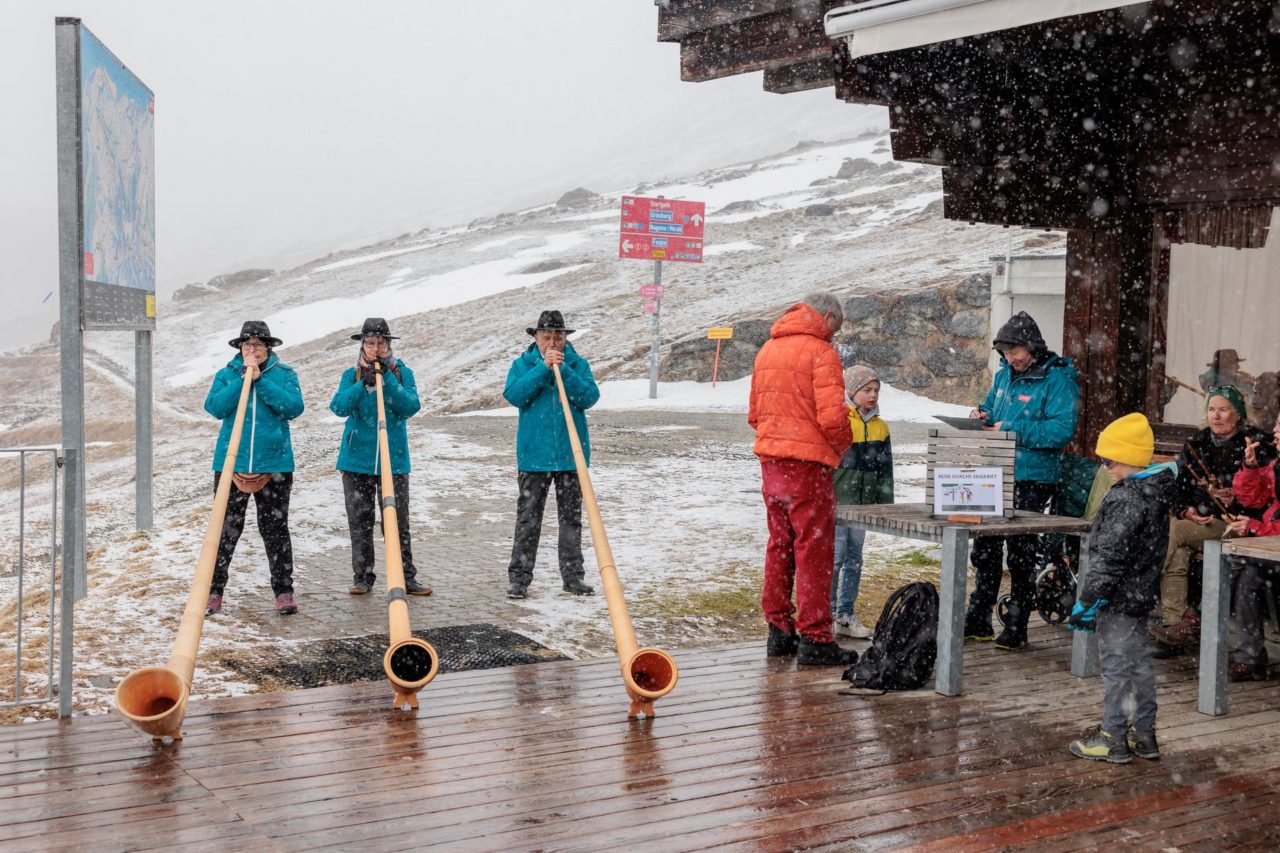
On March 26, 2023, the chairlifts from Flims to Foppa and on to Naraus will run for the last time. The popular lifts will be given a fitting send-off with a celebration for locals, second-home owners, guests, and employees before the two chairlifts are dismantled. Only the concrete slabs at the Flims and Foppa stations will remain. In the summer of 2023, the new FlemXpress stations will be built on them. The area around Naraus will no longer be accessible by rail.


Construction diary – Episode 4: Environment
After 15 years of planning, the FlemXpress is now being implemented as a ropeway taxi system—a variant that was not decided upon from the outset. Close and constructive cooperation with environmental protection organizations made it possible to find a solution that meets the interests of all parties involved as well as the landscape and wildlife habitat. In episode 4, Reto Gurtner, Raimund Rodewald, and Martin Hug discuss this cooperation and explain how they succeeded in creating a form of "non-architecture" on the mountain.
Construction diary – Episode 3: The project
In the third episode, Claudio Deplazes, project manager at Cassons 23, Claudio Casutt, master planner at CWZ, and Marcel Caminada, architect at Caminada Architekten, discuss the biggest challenges in the project and how they are being overcome.
Construction work in Startgels and Segnes
Starting in summer 2022, the shell of the middle station will be built in Startgels. In Segnes, the excavation pit will be secured and initial excavation work will be carried out. The supports will be erected on the section between Foppa and Startgels in the fall. Thanks to the mild temperatures, construction work on both stations is progressing well.




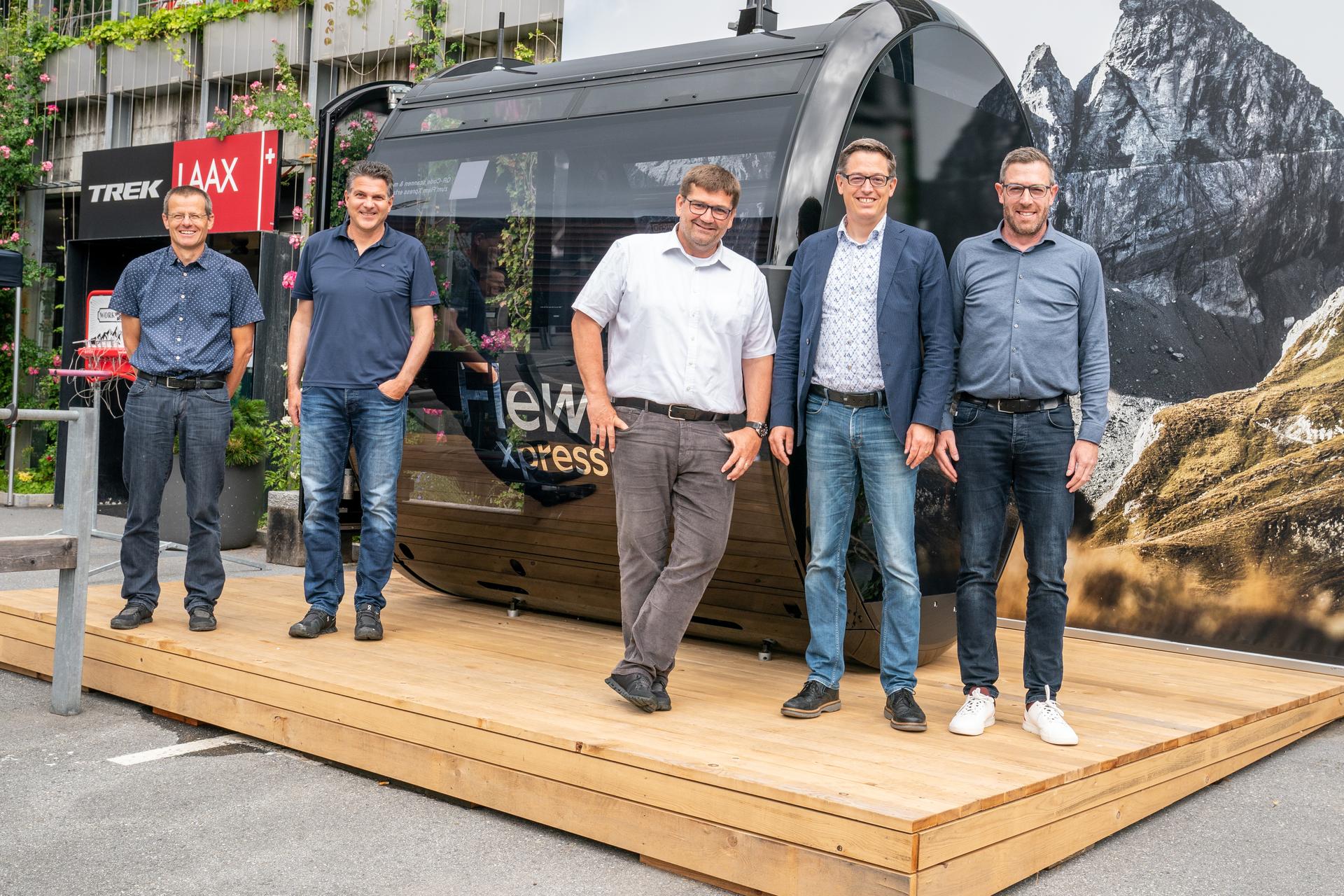
Groundbreaking ceremony for FlemXpress at the Flims valley station
After a long period of discussions and consultations, the symbolic groundbreaking ceremony for the FlemXpress took place at the valley station in Flims. In attendance were Markus Wolf, CEO of the Weisse Arena Group, Martin Hug, mayor of Flims, Gabriel Derungs, CEO of Erni AG Bauunternehmung, Claudio Casutt, planner/engineer at CWZ Bauingenieure und Planer AG, and Claudio Deplazes, project manager at Cassons AG.
Construction diary – Episode 2: The technology
What makes the Flem Xpress so unique? The second episode of the film diary focuses on technology. The solution used was developed specifically for this project by the Weisse Arena Group in collaboration with Bartholet AG. Like conventional gondola lifts, the lift runs on a cable, but in the stations the cabins move autonomously on rails, powered by their own electric motor. Unoccupied cabins remain in the stations and do not travel along the route. This demand-driven system allows for comfortable, barrier-free boarding into stationary cabins – even with luggage or sports equipment – without any time pressure.
Construction Diary – Episode 1: The Vision
The pioneering tourism project "FlemXpress" is being documented in the form of a film construction diary. The first episode, entitled "The Vision," has now been released and features interviews with Martin Hug, mayor of Flims, Roland Bartholet, CEO of cable car manufacturer Bartholet, and Reto Gurtner, chairman of the board of directors of the Weisse Arena Group.
Triggered by the coronavirus pandemic and the associated shift in values, the Weisse Arena Group critically reviewed its planned major projects, including the Cassons development. In numerous video conferences and planning meetings, Gurtner, Bartholet, and Hug questioned the existing concepts and developed new approaches to meet the changing needs of guests and society.
details
Completed
Winter 2023/24: Sections 1 and 2 (Flims–Foppa–Startgels)
Winter 2024/25: Sections 3 and 4 (Startgels–Segnes, Segnes–Nagens Sura)
Winter 2025/26: Section 5 (Segnes–Ils Cugns)
Bartholet Maschinenbau AG (railway/system "Ropetaxi")
SISAG AG (control / commissioning)
Weisse Arena Group + Municipality of Flims (client/sponsor)
- New gondola lift with 6 stations for boarding and alighting and 108 cabins
- Passenger capacity per cabin: 10 persons/seats
- Passenger capacity per cabin including bikes: 5 people/bikes
- Transport capacity per hour: up to 1,800 people
- Maximum speed: 6 meters per second
- Up to 50% lower energy consumption is expected
- Direct rail access to the UNESCO World Heritage Site Tectonic Arena Sardona World first: "Ropetaxi" system